πληρόω
to make replete, i.e. (literally) to cram (a net), level up (a hollow), or (figuratively) to furnish (or imbue, diffuse, influence), satisfy, execute (an office), finish (a period or task), verify (or coincide with a prediction), etc.
Everything you need to know.
of Completion
This certifies that
Is on track to complete the Bible for the 1st time in 240 days.
Paul's Handkerchief is Bible study with a difference — going word-by-word through Scripture to reclaim the Ancient Near East context, romance, and mystery that modern translations often leave behind.
Only about 3% of people around the world who start the Bible ever finish it. The 3% Club is for those ready to break that cycle — reading the entire Bible at their own pace, backed by community and tools built to make finishing not just possible, but inevitable. You also get a certificate to celebrate your achievement.
Bible Cafe isn't just Bible study — it's a personal, intimate conversation with Him. Think less classroom, more kitchen table. It combines the original Coffee with Jesus experience with activities like quizzes, crosswords, journaling and more, all designed to let the Word shape your heart, not just your head.
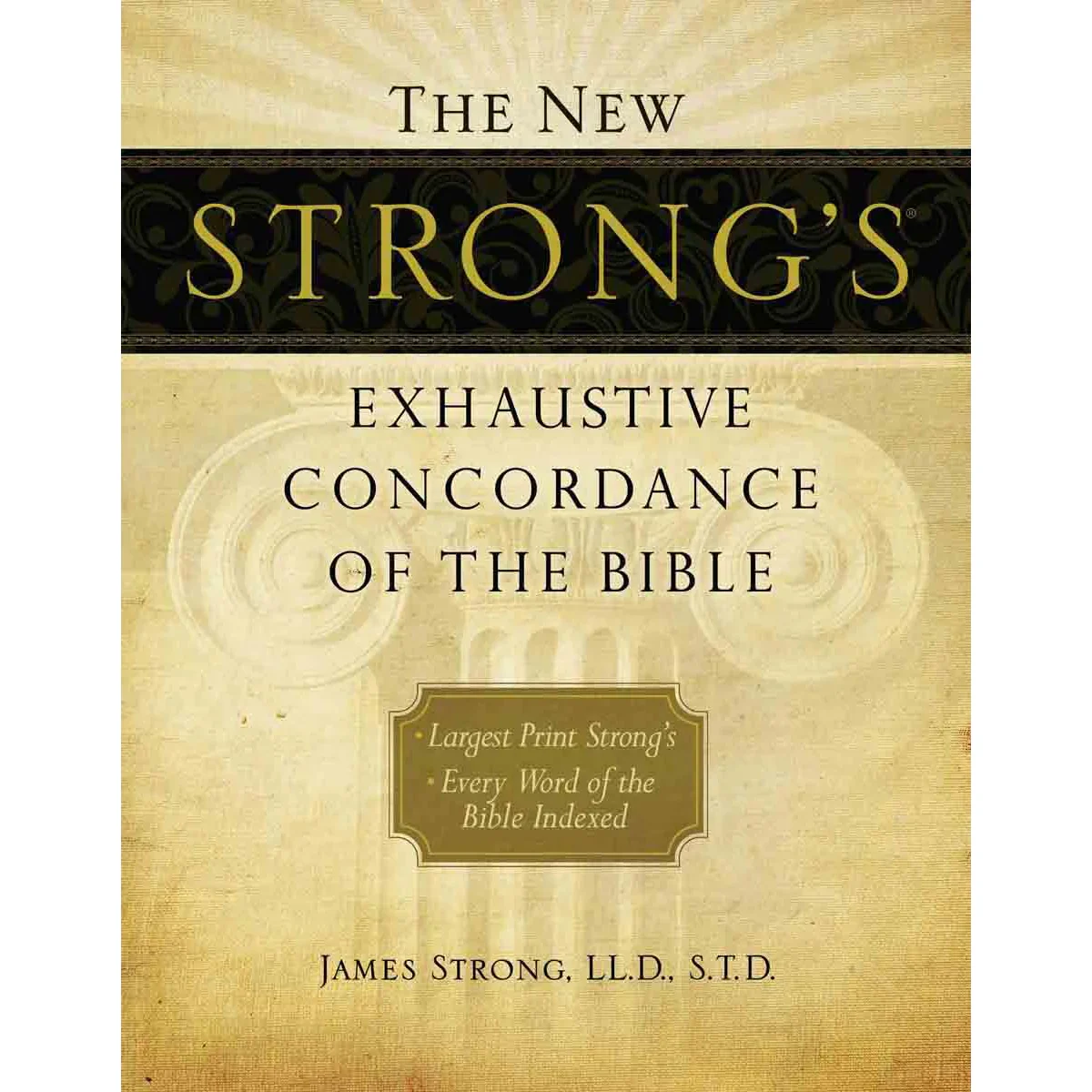
Most English Bibles can't carry the full weight of what's in the original Hebrew and Greek. The F.O.G Bible Project exists to change that — three new translations built publicly (a Study Bible, a Reader's Bible, and F.O.G Jr. for younger readers), plus a word-by-word renewal of Strong's Concordance restoring the depths most translations leave behind. It is Jean Paul's lifelong work, unfolding in public — and you're invited in.
Jean Paul Joseph is the lead editor of the F.O.G Bible Project. He works from a personal encounter with Jesus first, then draws on the scholarship of respected Jewish and Christian scholars — because the church was Jewish before it was anything else, and those roots change everything about how you read Scripture.
Simply create an account and choose your preferred Bible and reading style. The app will track your progress and help keep you accountable to the rhythm of daily Scripture engagement.
to make replete, i.e. (literally) to cram (a net), level up (a hollow), or (figuratively) to furnish (or imbue, diffuse, influence), satisfy, execute (an office), finish (a period or task), verify (or coincide with a prediction), etc.
πληρόω(plēróō)
Strong’s Definition
to make replete, i.e. (literally) to cram (a net), level up (a hollow), or (figuratively) to furnish (or imbue, diffuse, influence), satisfy, execute (an office), finish (a period or task), verify (or coincide with a prediction), etc.
from G4134 (πλήρης);
“Now all this was done, that it might be fulfilled which was spoken of the Lord by the prophet, saying,”
No verses found containing this word study ID.
The Net That Holds the Sea
Ninety-five times the Spirit breathes through this word in the Greek Scriptures, and each utterance is a wave upon the shore of eternity. The first time the Holy Spirit speaks through plēróō in the New Testament, it is not in a temple, nor upon a throne, but in a fishing boat on the Sea of Galilee. Yeshua tells Simon to launch into the deep and let down his nets, and the catch is so vast that the nets begin to break. The fishermen call to their partners in the other boat to come and help them. And they came, and filled both the boats, so that they began to sink (Luke 5:7). Here is the primal image: the action of filling is not a gentle pouring but a cramming, a pressing, a making replete until the vessel can hold no more. This is no mere word; it is the gesture of a God who does not give in measure.
The Hollow Made Whole
From the root plērēs, meaning full, the verb carries the force of leveling up a hollow space. In classical Greek, a merchant would use this word when he filled a ship's hold with cargo, or a builder when he packed earth into a trench. But when the translators of the Septuagint sought a Greek vessel for the Hebrew malé (to fill, to be full), they chose plēróō to carry the weight of covenant. When Moses consecrated Aaron and his sons, the Tabernacle was filled with the glory of the Lord (Exodus 40:34). The same verb that describes a net swollen with fish also describes the dwelling of the Most High among His people. The rabbis of old observed that the filling of the Tabernacle was not a static event but a continuous presence—the glory did not merely enter; it remained, pressing against the fabric of the tent as the sea presses against the shore.
The Tense of Divine Completion
The grammar of this verb reveals the heartbeat of God. In the aorist tense, plēróō speaks of a single, decisive act: “It is finished” (John 19:30). Yet the perfect tense tells a deeper story—a completed action with abiding results. When the Spirit came at Pentecost, the disciples were filled with the Holy Spirit (Acts 2:4), and the perfect passive form declares that they were not merely drenched but permanently saturated, their emptiness leveled up by the very breath of God. The apostle Paul, who uses this word more than any other New Testament writer, contrasts human filling with divine. You may fill a cup with wine, but only God can fill a soul with the fullness of Christ. Paul writes that you are filled with all the fullness of God (Ephesians 3:19), a phrase that would have stunned any Greek philosopher who thought of the divine as distant and unapproachable. Here, the Pleroma—the fullness—enters the vessel of flesh.
The Parable of the Net
In the eighth chapter of Matthew, Yeshua commands the storm to be silent, and the winds obey. But there is another storm, a deeper one, in the thirteenth chapter. The kingdom of heaven is like a net that was cast into the sea and gathered fish of every kind. When it was filled (plēróō), the fishermen drew it ashore (Matthew 13:47-48). This is the action of the end of the age: the net is not half-full, not nearly complete. It is crammed, level up to the brim, replete with every creature the sea could yield. Jewish tradition holds that the sea represents the nations, and the net is the gathering of all peoples into the covenant. Yet the parable does not end with the filling; it ends with the separation. The filling precedes the judgment. The fullness of the net is not the final word—the sorting of the catch is. This is the terrifying mercy of God: He fills the net completely so that nothing is lost, but He also separates the good from the bad because the kingdom cannot tolerate a hollow heart.
Send a Gift
This website is 100% donor-funded. Your generosity allows someone else to access this content for free.
Give a gift of $100 to sponsor a verse or page of your choice.
The LXX Bridge: From Malé to Plēróō
The Septuagint is the ancient bridge between the Hebrew prophets and the Greek apostles. When the translators rendered the Hebrew malé into Greek, they chose plēróō for moments of divine action. Consider the prophet Jeremiah: “The word of the Lord came to me, saying, ‘Before I formed you in the womb I knew you, and before you were born I consecrated you; I appointed you a prophet to the nations’” (Jeremiah 1:4-5). The word of the Lord was fulfilled in Jeremiah’s life—the hollow space of his calling was filled by the speaking of God. But the most profound LXX usage appears in the Psalms. “The earth is the Lord's and the fullness (plērōma) thereof” (Psalm 24:1). The same root word that describes a net filled with fish also describes the earth filled with the glory of God. Every creature, every grain of sand, every breath of wind is a vessel for the pleroma. When the apostles preached that Yeshua is the fullness of God in bodily form (Colossians 2:9), they were drawing directly from this LXX well. The earth had always been full of His glory, but now that glory had a face.
The Messianic Fullness
No single moment in the Gospels captures the depth of plēróō like the final cry from the cross. Yeshua knew that all things were now finished (tetelestai), and to fulfill the Scripture, He said, “I thirst” (John 19:28). Then He received the sour wine, and it was finished—the same root, the same completion. But the fullness of Messiah is not only in His death; it is in His resurrection. The early church understood that the resurrection was the ultimate filling of the empty tomb. Ignatius of Antioch, writing in the first century, declared that Christ is the fullness of the Father, and in Him all things are held together. The apostolic tradition teaches that when Yeshua ascended, He filled all things (Ephesians 4:10)—not merely the heavens, but the lowest parts of the earth. There is no hollow place where His presence cannot reach. The tomb was empty, but the cosmos was filled.
The Action That Awaits You
You have been reading this word, but the word is now reading you. Plēróō is not a doctrine to be studied; it is an action to be received. The same Spirit that filled the Tabernacle, the same power that crammed the net, the same fullness that dwelt in Yeshua—this is the inheritance that awaits your emptiness. You cannot fill yourself; you can only present the hollow vessel of your life. The Greek perfect tense of the Spirit's filling at Pentecost means that the action is complete and the result remains. You do not need to chase a second filling; you need to believe that the first filling has already been given. The rabbis of old taught that the vessel must be empty to receive blessing. So let go of the things you have crammed into your soul to make yourself feel full. Release them. Become empty. And watch the God who fills the net of the sea fill you with all the fullness of Himself.