χρυσόλιθος
gold-stone, i.e. a yellow gem ("chrysolite")
Everything you need to know.
of Completion
This certifies that
Is on track to complete the Bible for the 1st time in 240 days.
Paul's Handkerchief is Bible study with a difference — going word-by-word through Scripture to reclaim the Ancient Near East context, romance, and mystery that modern translations often leave behind.
Only about 3% of people around the world who start the Bible ever finish it. The 3% Club is for those ready to break that cycle — reading the entire Bible at their own pace, backed by community and tools built to make finishing not just possible, but inevitable. You also get a certificate to celebrate your achievement.
Bible Cafe isn't just Bible study — it's a personal, intimate conversation with Him. Think less classroom, more kitchen table. It combines the original Coffee with Jesus experience with activities like quizzes, crosswords, journaling and more, all designed to let the Word shape your heart, not just your head.
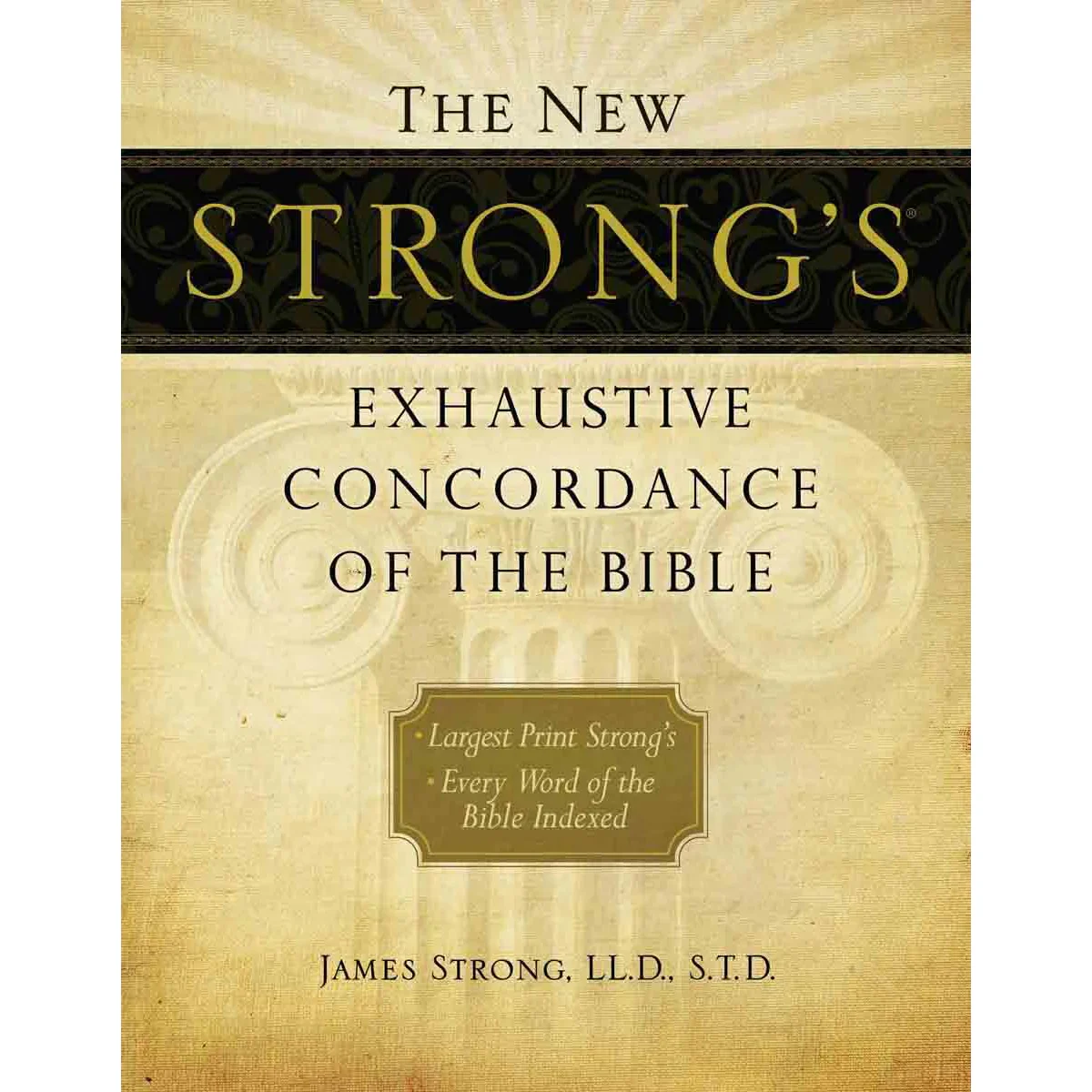
Most English Bibles can't carry the full weight of what's in the original Hebrew and Greek. The F.O.G Bible Project exists to change that — three new translations built publicly (a Study Bible, a Reader's Bible, and F.O.G Jr. for younger readers), plus a word-by-word renewal of Strong's Concordance restoring the depths most translations leave behind. It is Jean Paul's lifelong work, unfolding in public — and you're invited in.
Jean Paul Joseph is the lead editor of the F.O.G Bible Project. He works from a personal encounter with Jesus first, then draws on the scholarship of respected Jewish and Christian scholars — because the church was Jewish before it was anything else, and those roots change everything about how you read Scripture.
Simply create an account and choose your preferred Bible and reading style. The app will track your progress and help keep you accountable to the rhythm of daily Scripture engagement.
gold-stone, i.e. a yellow gem ("chrysolite")
χρυσόλιθος(chrysólithos)
Strong’s Definition
gold-stone, i.e. a yellow gem ("chrysolite")
from G5557 (χρυσός) and G3037 (λίθος);
“The fifth, sardonyx; the sixth, sardius; the seventh, chrysolite; the eighth, beryl; the ninth, a topaz; the tenth, a chrysoprasus; the eleventh, a jacinth; the twelfth, an amethyst.”
No verses found containing this word study ID.
The Stone That Holds the Light of Heaven
Only once does the Holy Spirit breathe this word through the apostolic pen — a single utterance in all of Scripture, yet it gleams with the weight of eternity. The word is chrysólithos, the gold-stone, a gem that marries the fire of the precious metal to the permanence of rock. In the Greek tongue, it is a compound of chrysos, gold, and lithos, stone — a yellow jewel that catches the sun and holds it captive. This stone appears but one time in the New Testament, yet that single appearance places it upon the foundations of the heavenly city, where it shines as a witness to the glory that awaits you.
A Stone Born of Fire and Earth
The ancients understood that every precious stone carried a memory of its making. The sages of old taught that chrysólithos was born where fire met stone in the deep places of the earth, a union of opposites that produced something neither could create alone. Gold, the most noble of metals, speaks of divinity and kingship — the very essence of the Messiah's nature. Stone, the foundation of the earth, speaks of covenant and permanence — the unshakeable kingdom of God. When these two are joined, you have a gem that reflects not merely light, but the logos of creation itself. The Greek philosophers spoke of the kosmos as a ordered harmony; yet here, the Holy City reveals a harmony not of human reason but of divine artistry. This stone does not come from the earth's mines alone — it is quarried from the vision of the apostle John, who saw what the Father has prepared for those who love Him.
Gold That Purifies, Stone That Judges
Every natural element in Scripture carries a dual edge, and chrysólithos is no exception. Gold, in the apostolic writings, is the metal that must pass through the refiner's fire — tested, purified, and made worthy of the King's treasury. Yet gold can also become an idol, a weight that drags the soul down to Gehenna. Stone, too, holds this tension: it is the rock of refuge and the stone of stumbling. The early church understood that chrysólithos represents a soul that has been tested by suffering and found faithful. The apostle Peter wrote of your faith being more precious than gold that perishes, though it is tried by fire (1 Peter 1:7). This gem, then, is not merely a decoration of the New Jerusalem — it is a picture of what you are becoming. The fire that refines you is the same fire that burns away the dross of the old age, and the stone that remains is the character of Messiah Himself, formed in you through the Spirit's patient work.
The Parable of the Pearl and the Hidden Treasure
Yeshua spoke of a merchant seeking fine pearls, who when he found one of great price, sold all that he had to possess it (Matthew 13:45-46). The rabbis of old observed that the kingdom of heaven is like a treasure hidden in a field — a man discovers it, hides it again, and in his joy sells everything to buy that field (Matthew 13:44). These parables are not merely about acquisition; they are about transformation. The pearl is formed through irritation, the treasure is hidden and must be unearthed. So too with chrysólithos: this gold-stone does not fall from the sky ready-cut. It is mined from darkness, shaped by the lapidary's hand, and polished through friction. In the miracle at Cana, Yeshua turned water into wine — the element of purification became the element of celebration. In the same way, the stone that was once rough and common becomes, through His touch, a vessel of glory. The early church fathers saw in this a sacrament of baptism: you are plunged into the waters of death, and you rise as a living stone, set in the foundation of the house not made with hands.
Send a Gift
This website is 100% donor-funded. Your generosity allows someone else to access this content for free.
Give a gift of $100 to sponsor a verse or page of your choice.
The Septuagint Bridge: From Hebrew to Greek Light
When the translators of the Septuagint rendered the Hebrew Scriptures into Greek, they faced a profound task: to carry the weight of Israel's covenant language into the tongue of the nations. The word chrysólithos appears in the Greek Old Testament as a translation of the Hebrew tarshish, a stone of dazzling brilliance set in the high priest's breastplate (Exodus 28:20). In the book of Ezekiel, the prophet describes the wheels of the divine chariot as having the appearance of tarshish — a stone like the very sky, translucent and alive with the movement of the Spirit (Ezekiel 1:16). This bridge is critical: the Hebrew tarshish carries the sense of something that breaks forth or shatters light, while the Greek chrysólithos emphasizes the gold-stone's fiery essence. Together, they reveal that the foundation of the New Jerusalem is not a dead mineral but a living testimony — each stone a soul redeemed, each gem a life transformed by the Shekinah glory. The apostle John, writing in Greek, drew upon this Septuagint tradition when he saw the city descending from heaven, its foundations adorned with every precious stone (Revelation 21:19-20).
Apostolic Witness and the City of Foundations
The lone New Testament occurrence of chrysólithos is found in the Revelation given to John on Patmos. There, the seventh foundation of the wall of the New Jerusalem is adorned with this gold-stone (Revelation 21:20). The number seven in the Hebrew mind speaks of completion, of the Sabbath rest of God. This foundation, then, is not random — it is part of a divine architecture that mirrors the seven days of creation, the seven branches of the menorah, the seven seals of the scroll. The early church understood that the foundations of the city bear the names of the twelve apostles of the Lamb (Revelation 21:14). Each stone represents a witness, a life poured out in testimony. The chrysólithos foundation, then, is the apostolic proclamation of the Messiah's kingship — gold for His royalty, stone for His unshakeable truth. The fathers of the faith observed that just as the high priest once bore the stones of Israel upon his breast, so now the apostles bear the church upon their witness, and that witness is pure, tested, and eternal.
Yeshua, the Living Stone and the Refiner's Fire
The Messiah is the ultimate fulfillment of every element, and chrysólithos finds its true meaning in Him. He is called the living stone, rejected by men but chosen by God and precious (1 Peter 2:4). He is also the refiner who sits over the fire, purifying the sons of Levi like gold and silver (Malachi 3:3). In Yeshua, the gold and the stone are perfectly united: He is the King who descends to the lowest depths, the Rock who is struck so that living water may flow. The New Testament writers apply this imagery to His person with breathtaking precision. He is the cornerstone of the temple not made with hands, and He is the one who baptizes with the Holy Spirit and with fire. When you behold Him, you see the chrysólithos of the heavenly city made flesh — a life that holds the light of God without being consumed, a foundation that cannot be shaken. In the resurrection, His body became the firstfruit of the new creation, a body of glory that shines with the brightness of the Father's love. The apostolic tradition teaches that you are being conformed to this same image, stone by stone, fire by fire.
Where You Stand Upon This Stone
Beloved, the chrysólithos is not merely a gem in a distant city — it is a promise for your own life. You are being cut and polished by the hand of the Master Lapidary. Every trial that presses against you, every fire that seems to consume you, is shaping you into a stone that can hold the light of heaven. The gold of your faith and the stone of your endurance are being fused together by the Spirit, and one day you will be set into the wall of that city whose builder and maker is God. Do not despise the process. When the pressure comes, remember that you are becoming a foundation for others to stand upon. When the fire rises, know that it is refining the gold of your love. The city is coming, and you are part of its foundations. Stand firm upon the Rock who is Messiah, and let His light shine through you until that day when you see Him face to face, and the gold-stone of your life reflects His glory without end.