
Strong's g5289
Faithful Perseverance: ὑποστολή (Strong's G5289: hupostole) Conquers Spiritual Retreat

Strong’s G5289: A feminine noun derived from hupostello, hupostole denotes the act of shrinking back, withdrawal, or timidity. In its sole NT occurrence (Hebrews 10:39), it represents spiritual regression or apostasy, standing in stark contrast to faith that preserves the soul.
U- Unveiling the Word

Key Information
ὑποστολή
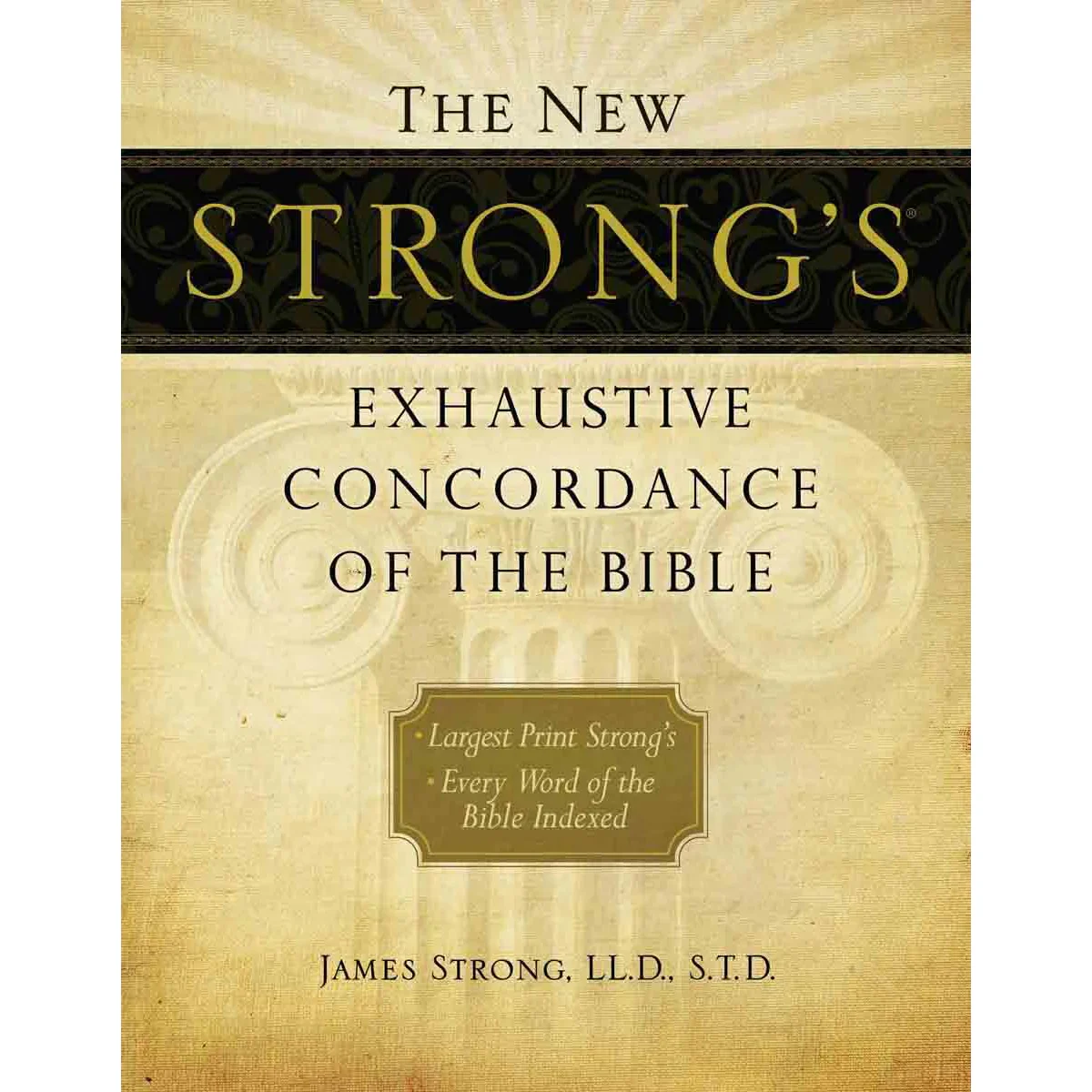
Strong’s Entry
g5289
The noun ὑποστολή (hupostole) emerges from the verbal concept of withdrawing or shrinking back, carrying profound theological weight in its singular New Testament appearance. While its literal meaning suggests a physical withdrawal or retreat, its usage in Hebrews 10:39 elevates it to a crucial spiritual concept. The author employs it to contrast two paths: that of drawing back unto perdition versus pressing forward in faith unto salvation. This word powerfully encapsulates the existential choice facing every believer: whether to retreat in the face of persecution and hardship or to advance in faith. Early church fathers frequently referenced this passage when addressing the temptation to apostatize under persecution, and today it remains a powerful reminder of the necessity of perseverance in faith.

N – Necessary Information
- Greek Word: ὑποστολή, hupostole, hoo-po-sto-LAY
- Detailed Pronunciation: hoó (as in “who”) – po (as in “post”) – sto (as in “stone”) – LAY (as in “lay”)
- Part of Speech: Noun (Feminine)
Etymology:
- ὑπό (hupo) – prefix meaning “under”
- στέλλω (stello) – root verb meaning “to place, arrange”
- -η (-ē) – feminine noun suffix indicating the abstract concept or result of the action
D – Defining Meanings
- The act of drawing back or withdrawing
- Shrinking back in timidity or fear
- A retreat from faith or truth
For compound words:
The prefix ὑπό (under) combined with στέλλω (place) and the feminine ending -η creates a noun describing the action or state of placing oneself under cover or withdrawing.
Translation Options:
- “drawing back” – Emphasizes the active nature of the spiritual retreat
- “timidity” – Focuses on the internal attitude leading to withdrawal
- “shrinking back” – Captures both the action and the moral implications
E – Exploring Similar Words
- ἀποστολή (apostole, ap-os-to-LAY) – apostleship, sending forth
See G651 - συστολή (systole, sys-to-LAY) – contraction, drawing together
See G4960 - ἐπιστολή (epistole, ep-is-to-LAY) – letter, epistle
See G1992
R – Reviewing the Word’s Morphology
As a feminine noun:
- Case: Nominative, Genitive, Dative, Accusative
- Number: Singular, Plural
- Gender: Feminine
- Declension: First
Example forms:
- Nominative: ὑποστολή (subject)
- Genitive: ὑποστολῆς (possession)
- Dative: ὑποστολῇ (indirect object)
- Accusative: ὑποστολήν (direct object)
Related words in other parts of speech:
- Verb: ὑποστέλλω (hupostello)
- Adjective: ὑποσταλτικός (hupostaltikos)
S – Studying Lexicon Insights
BDAG emphasizes ὑποστολή’s singular New Testament usage as a powerful metaphor for spiritual regression. Thayer’s highlights its development from commercial and nautical contexts to moral and spiritual applications. LSJ provides evidence of its use in classical Greek for military retreats and tactical withdrawals. Vine’s connects it directly to apostasy, noting its contrast with faith in Hebrews 10:39. Moulton and Milligan cite papyri showing its use in legal contexts for evasion of duty. Strong’s emphasizes its derivation from ὑποστέλλω and its implications of timidity or cowardice. The collective lexical evidence suggests a term that moved from concrete physical withdrawal to profound spiritual significance in biblical usage.
T – Tracing the Scriptures
First appearance:
Hebrews 10:39 “But we are not of them who draw back [ὑποστολή] unto perdition; but of them that believe to the saving of the soul”
Additional References:
This is the only occurrence in the New Testament.
A – Analyzing Classical Usage
| Author: Work | Text |
|---|---|
| Plutarch: Lives | “The army’s [ὑποστολή] retreat was conducted in good order” |
| Demosthenes: Philippics | “Their [ὑποστολή] withdrawal from the public assembly showed their cowardice” |
| Polybius: Histories | “The [ὑποστολή] drawing back of troops allowed for strategic regrouping” |
N – Noteworthy Summary
The term ὑποστολή stands as a powerful warning against spiritual regression while simultaneously highlighting the triumphant alternative of persevering faith. Its singular use in Hebrews 10:39 places it at a crucial juncture between perdition and salvation, between retreat and advance. This word reminds us that the good news of King Jesus calls for bold, forward-moving faith rather than fearful withdrawal. In a world where compromise and retreat often seem easier than steadfast faith, ὑποστολή challenges believers to press on toward the prize of their heavenly calling, trusting in the faithfulness of Him who promised.
D – Did You Know?
- This word appears only once in the New Testament but plays a pivotal role in one of Scripture’s most important warnings against apostasy.
- The word was commonly used in military contexts to describe tactical retreats before being applied spiritually.
- Early church martyrs often referenced this verse when encouraging fellow believers to stand firm under persecution.
Strong’s G5289: A feminine noun derived from hupostello, hupostole denotes the act of shrinking back, withdrawal, or timidity. In its sole NT occurrence (Hebrews 10:39), it represents spiritual regression or apostasy, standing in stark contrast to faith that preserves the soul.
Part of speech: Noun
Tags: retreat, withdrawal, apostasy, faith, perseverance, timidity, drawing-back, spiritual-warfare, salvation, faithfulness, courage, steadfastness
Note: While this entry strives for accuracy, readers engaged in critical research should verify citations and keyword occurrences in their Bible translation of choice. For Biblical citations, the F.O.G Bible project recommends Logos Bible software.
Strong's g5289
Add Comment
God's Word is too vast for a single perspective. We all have a story, and as believers we all carry the Holy Spirit who is the Revealer. With this in mind - I would love to read your comments.