υἱός
a "son" (sometimes of animals), used very widely of immediate, remote or figuratively, kinship
Everything you need to know.
of Completion
This certifies that
Is on track to complete the Bible for the 1st time in 240 days.
Paul's Handkerchief is Bible study with a difference — going word-by-word through Scripture to reclaim the Ancient Near East context, romance, and mystery that modern translations often leave behind.
Only about 3% of people around the world who start the Bible ever finish it. The 3% Club is for those ready to break that cycle — reading the entire Bible at their own pace, backed by community and tools built to make finishing not just possible, but inevitable. You also get a certificate to celebrate your achievement.
Bible Cafe isn't just Bible study — it's a personal, intimate conversation with Him. Think less classroom, more kitchen table. It combines the original Coffee with Jesus experience with activities like quizzes, crosswords, journaling and more, all designed to let the Word shape your heart, not just your head.
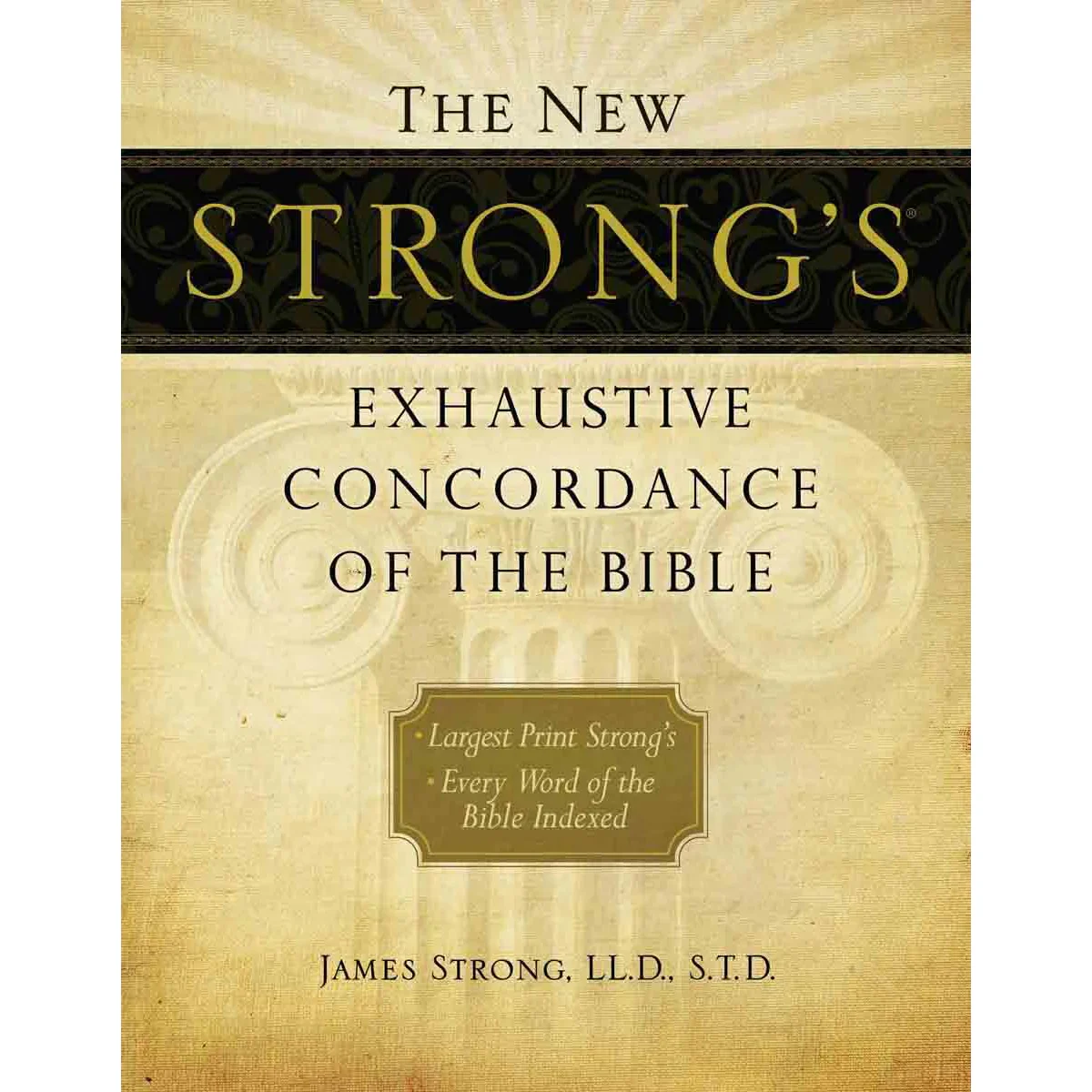
Most English Bibles can't carry the full weight of what's in the original Hebrew and Greek. The F.O.G Bible Project exists to change that — three new translations built publicly (a Study Bible, a Reader's Bible, and F.O.G Jr. for younger readers), plus a word-by-word renewal of Strong's Concordance restoring the depths most translations leave behind. It is Jean Paul's lifelong work, unfolding in public — and you're invited in.
Jean Paul Joseph is the lead editor of the F.O.G Bible Project. He works from a personal encounter with Jesus first, then draws on the scholarship of respected Jewish and Christian scholars — because the church was Jewish before it was anything else, and those roots change everything about how you read Scripture.
Simply create an account and choose your preferred Bible and reading style. The app will track your progress and help keep you accountable to the rhythm of daily Scripture engagement.
a "son" (sometimes of animals), used very widely of immediate, remote or figuratively, kinship
υἱός(huiós)
Strong’s Definition
a "son" (sometimes of animals), used very widely of immediate, remote or figuratively, kinship
apparently a primary word;
“The book of the generation of Jesus Christ, the son of David, the son of Abraham.”
No verses found containing this word study ID.
From the Womb of Heaven: The Cry of Every Son
Three hundred and eighty-two times the Holy Spirit breathes this word across the pages of the New Covenant, and each utterance carries the weight of lineage, inheritance, and identity. The Greek word huiós (υἱός) sounds like the very breath of relationship — a word that in its simplest form means "son," yet in the hands of the apostles becomes the vessel for the deepest mysteries of God. In the Greek world, huiós spoke of legal standing, of one who bore the father's name and carried the father's authority. But when the writers of the Septuagint chose this word to translate the Hebrew ben, they opened a door between heaven and earth. For ben in the Hebrew Scriptures is never merely biological — it is covenantal, it is vocational, it is the carrying forward of a promise from generation to generation. The ancient sages taught that when a father calls a child "son," he is speaking not only of the past but of the future, of all that the child will become under the father's blessing.
The First Cry and the Last Word
The first appearance of huiós in the Septuagint comes in Genesis, when the generations of heaven and earth are declared, and Adam is called the huiós of God in Luke's genealogy. But trace this word back through the Hebrew, and you find ben in Genesis 4:1, where Eve declares, "I have gotten a man with the help of the Lord." Already the pattern is set: a son is not merely born of flesh but is received as a gift from the Maker of all. In the Greek world, huiós could refer to a male child of any age, but the Hebrew mind understood something deeper. The rabbis of old observed that a son is one who carries the father's image and the father's mission. When the Septuagint translators rendered ben as huiós, they infused the Greek word with Hebrew substance. To be a son in Scripture is to be an heir, a representative, a living continuation of the father's purpose. The word appears in the New Testament with breathtaking frequency, and each time it calls you to consider whose image you bear and whose mission you carry.
The Septuagint Bridge: From Hebrew Son to Greek Heir
The Greek word huiós does not stand alone — it carries within it the echo of its Hebrew ancestor ben, which appears over five thousand times in the Tanakh. When the translators of the Septuagint came to passages like Exodus 4:22, where the Lord declares, "Israel is my firstborn son," they chose huiós to convey this profound truth. The Hebrew ben speaks of building — the word itself is related to the verb banah, to build — for a son is one who builds the house of his father. In the Greek world, huiós carried legal weight: a son was one who could inherit, who could act in the father's name, who could represent the family. When these two worlds met in the Septuagint, the word huiós became the vessel for a covenant reality. The apostle Paul, writing to the Galatians, seized upon this double meaning: a son is not a slave but an heir, one who has received the spirit of adoption and can cry out "Abba, Father." The early church understood that this word, so common in everyday Greek speech, had been transformed by the Hebrew Scriptures into a declaration of belonging. Every time you read huiós, you are standing at the intersection of two worlds, and both worlds are speaking of relationship with the Living God.
The Son in the Storm: How the Apostles Used This Word
The apostle John uses huiós more than any other New Testament writer, and his gospel pulses with the phrase "the Son" as a title for Yeshua. In John 3:16, the word becomes the hinge upon which salvation swings: "God so loved the world that he gave his only begotten Son." Yet John does not use this word coldly — he weaves it into the fabric of relationship. The Son is the one who is in the bosom of the Father, the one who reveals the Father, the one who does the Father's will. The apostle Paul, writing to the Romans, speaks of believers being conformed to the image of the Son, that He might be the firstborn among many brothers. The author of Hebrews takes up this word with particular power, showing how the Son is the radiance of God's glory and the exact representation of His nature. In the Greek world, a son might be a pupil or a follower, but the apostles transformed this understanding. To be a son of God in the New Covenant is to share in the very life of the Son, to be brought into the family of the Most High. The early church father Ignatius wrote of the Son as the Word proceeding from silence, the one through whom all things were made. The word huiós became the confession of the church, the title that separated the apostolic faith from every other teaching.
Send a Gift
This website is 100% donor-funded. Your generosity allows someone else to access this content for free.
Give a gift of $100 to sponsor a verse or page of your choice.
The Son Who Builds the House
The Greek word huiós carries within it the echo of the Hebrew ben, and ben is built from the bet and nun — letters that together speak of a house and a seed. The ancient Jewish wisdom teaches that a son is one who continues the father's name and the father's work. In the Hebrew Scriptures, the sons of the prophets were those who carried the prophetic mantle. The sons of Aaron were those who served in the priesthood. The sons of Israel were those who bore the covenant. When the Septuagint translators chose huiós for these passages, they were not simply finding a Greek equivalent — they were creating a bridge. The word huiós in the New Testament carries all this weight. When Yeshua is called the Son of David, the word speaks of royal lineage and messianic promise. When believers are called sons of God, the word speaks of adoption and inheritance. The apostolic tradition teaches that to be a son is to be an heir of God and a co-heir with Christ. The word does not merely describe a relationship — it establishes a reality. You are not called to be a servant who fears the Master, but a son who loves the Father.
The Messianic Fulfillment: The Only Begotten Son
The New Testament writers apply the word huiós to Yeshua with singular focus and profound theology. In the Gospel of Mark, the very first verse declares "the beginning of the gospel of Yeshua the Messiah, the Son of God." This title becomes the confession of Peter at Caesarea Philippi, the cry of the centurion at the cross, and the declaration of the Father at the baptism and transfiguration. The writer of Hebrews opens his letter with the breathtaking statement that in these last days God has spoken to us by His Son, whom He appointed heir of all things, through whom He made the worlds. The early church understood that when the Scriptures spoke of the Son, they were speaking of one who shared the very nature of the Father, one who was the radiance of His glory. The apostolic faith confessed that Yeshua was not merely a son by adoption or by creation, but the Son by eternal generation, the only begotten of the Father. In the Greek world, no teacher had ever claimed that a human being could be called the Son of God in this way — it was a stumbling block to the Greeks and foolishness to the religious authorities. But the apostles held fast to this confession, and the word huiós became the cornerstone of Christian faith. To believe in the Son is to have eternal life; to reject the Son is to remain in darkness.
Your Place in the Family
You have been given the right to become a child of God, not by blood nor by the will of the flesh nor by the will of man, but by the will of God Himself. The word huiós is not a distant title reserved for the Messiah alone — it is an invitation extended to you. The apostle Paul writes that you have received the Spirit of adoption, by whom you cry out "Abba, Father." The Spirit Himself bears witness with your spirit that you are a child of God, and if a child, then an heir. The early church understood that this sonship was not merely a legal status but a living relationship, a transformation of the very core of your being. You are called to walk as a son of the Most High, to bear His image, to carry His mission, to build His house. The word huiós is a word of belonging — it tells you that you are not an orphan, not a stranger, not a servant who fears the Master's return. You are a son, and the Father has prepared an inheritance for you that cannot be taken away. Let this word rest upon your heart like a father's blessing, and let it shape every step you take. For you are not merely a follower of the Son — you are a son in the Son, and the Father loves you as He loves His only begotten.