τάλαντον
equivalent to G5342 (φέρω)); a balance (as supporting weights), i.e. (by implication) a certain weight (and thence a coin or rather sum of money) or "talent"
Everything you need to know.
of Completion
This certifies that
Is on track to complete the Bible for the 1st time in 240 days.
Paul's Handkerchief is Bible study with a difference — going word-by-word through Scripture to reclaim the Ancient Near East context, romance, and mystery that modern translations often leave behind.
Only about 3% of people around the world who start the Bible ever finish it. The 3% Club is for those ready to break that cycle — reading the entire Bible at their own pace, backed by community and tools built to make finishing not just possible, but inevitable. You also get a certificate to celebrate your achievement.
Bible Cafe isn't just Bible study — it's a personal, intimate conversation with Him. Think less classroom, more kitchen table. It combines the original Coffee with Jesus experience with activities like quizzes, crosswords, journaling and more, all designed to let the Word shape your heart, not just your head.
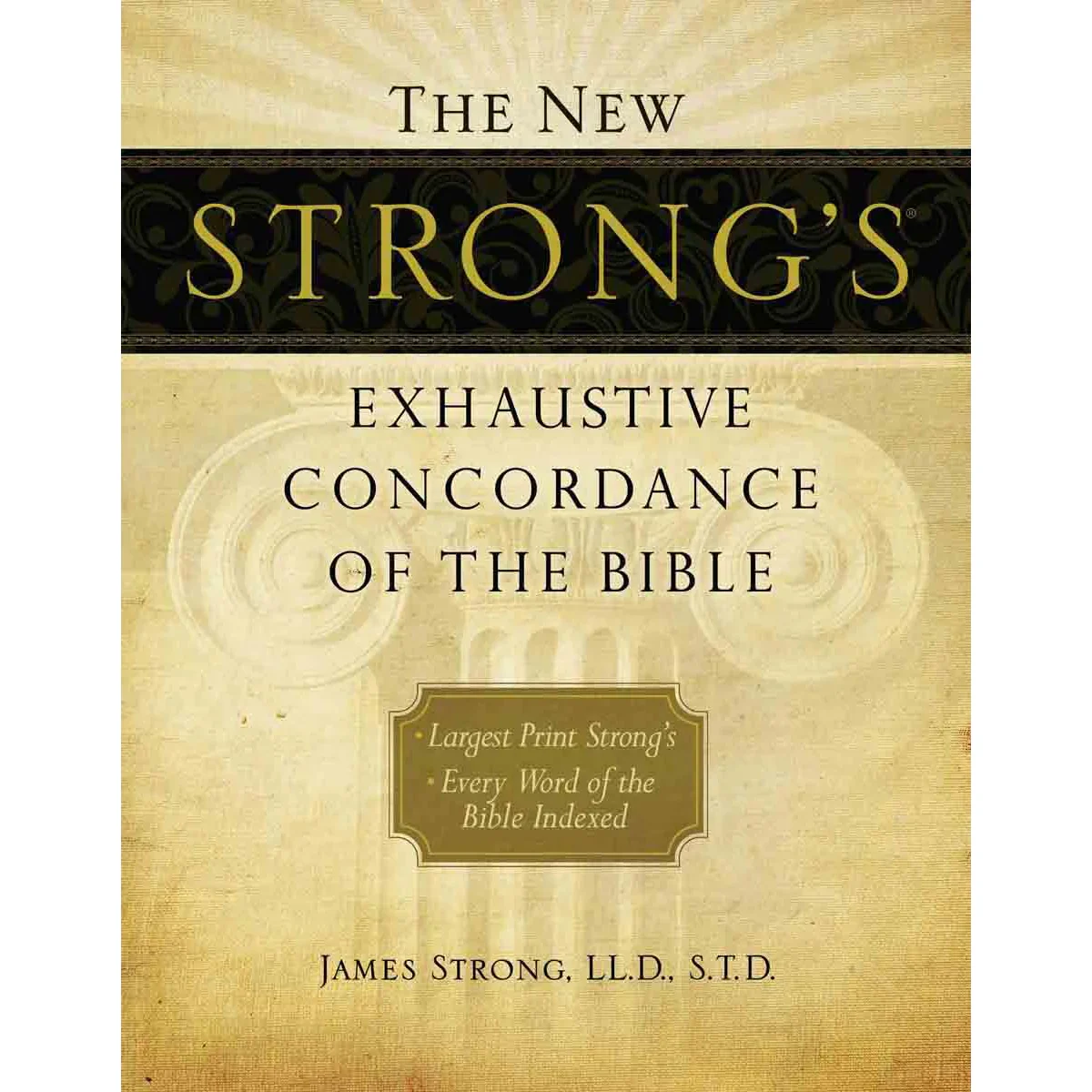
Most English Bibles can't carry the full weight of what's in the original Hebrew and Greek. The F.O.G Bible Project exists to change that — three new translations built publicly (a Study Bible, a Reader's Bible, and F.O.G Jr. for younger readers), plus a word-by-word renewal of Strong's Concordance restoring the depths most translations leave behind. It is Jean Paul's lifelong work, unfolding in public — and you're invited in.
Jean Paul Joseph is the lead editor of the F.O.G Bible Project. He works from a personal encounter with Jesus first, then draws on the scholarship of respected Jewish and Christian scholars — because the church was Jewish before it was anything else, and those roots change everything about how you read Scripture.
Simply create an account and choose your preferred Bible and reading style. The app will track your progress and help keep you accountable to the rhythm of daily Scripture engagement.
equivalent to G5342 (φέρω)); a balance (as supporting weights), i.e. (by implication) a certain weight (and thence a coin or rather sum of money) or "talent"
τάλαντον(tálanton)
Strong’s Definition
equivalent to G5342 (φέρω)); a balance (as supporting weights), i.e. (by implication) a certain weight (and thence a coin or rather sum of money) or "talent"
neuter of a presumed derivative of the original form of (to bear;
“And when he had begun to reckon, one was brought unto him, which owed him ten thousand talents.”
No verses found containing this word study ID.
When a Weight Becomes a Calling
Fifteen times the Holy Spirit breathes this word through the apostolic writings — τάλαντον (tálanton) — a word that begins as something you hold in your hand and ends as something that holds you accountable before the Throne. In the Greek world, this was a measure of weight, a balance that bore down upon the scales, a tangible thing. But in the mouth of the Master, it becomes a living parable, a mirror held up to the soul. The word itself is born from the ancient Greek tlaō, meaning to bear or to endure — and already you sense the burden and the blessing intertwined. A talent is never merely a coin; it is a trust, a weight of glory placed into frail human hands.
The Weight That Measures
At its root, τάλαντον derives from the same source as the verb phero — to carry, to bring forth. The ancient Greeks used it for the beam of a scale, that which supports the weights that determine value. When the Jewish sages translated the Hebrew Scriptures into the Greek tongue of the Septuagint, they chose this very word to render the Hebrew kikkar — a round, heavy loaf of metal, a talent of gold or silver. You find it first in the sacred text when Bezalel crafts the tabernacle’s furnishings: the lampstand of pure gold was made from a talent of beaten work (Exodus 25:39). Here the weight is holy, consecrated to the dwelling place of the Most High. The rabbis of old observed that the same word carries both the sense of heaviness and of value — for what is truly precious must also be weighty to carry.
From the Sanctuary to the Parable
The journey of τάλαντον across the canon is a journey from the literal to the Kingdom. In the Septuagint, it measures the gold of Solomon’s shields (1 Kings 10:16) and the bronze of the temple pillars (2 Chronicles 3:15). It is a word of earthly splendor, of the wealth that serves the worship of God. But when the New Testament writers take up this word, they transform it utterly. The apostle Matthew uses it most — eleven of the fifteen occurrences appear in his Gospel alone — and he places it at the center of the most searching parable Yeshua ever spoke. The master gives his servants talents, not as payment, but as trust. The weight has become a calling. The classical Greek concept of a mere unit of exchange is deepened into a divine economy where every soul is entrusted with a portion of the Master’s own wealth.
The LXX Bridge: From Kikkar to Tálanton
The Septuagint translators made a profound choice when they rendered the Hebrew kikkar as τάλαντον. The Hebrew word originally meant a round loaf or disc — something shaped by hand, pressed and formed. When you read in the Greek Old Testament that the lampstand was made from a talent of gold, you are meant to hear the echo of the Hebrew: this weight was not an abstract number but a thing of substance, something the craftsman could feel in his palms. The bridge between the covenants is built with these weights. The gold that adorned the tabernacle foreshadows the treasure entrusted to the servants in the parable — and both speak of a God who gives His own substance into the keeping of human hands. The early church understood this connection deeply, seeing in the talent a symbol of every grace, every gift, every breath that the Lord lends to His people for the work of His Kingdom.
Send a Gift
This website is 100% donor-funded. Your generosity allows someone else to access this content for free.
Give a gift of $100 to sponsor a verse or page of your choice.
The Parable That Searches the Heart
In Matthew 25, Yeshua takes this word of weights and measures and turns it into a furnace for the soul. Five talents, two talents, one talent — each servant receives according to his own ability (Matthew 25:15). The Master does not give equally; He gives proportionally, and the proportion is known only to the Giver. The servant who buries his single talent does not steal it or waste it — he preserves it perfectly, returns it intact, and yet he is called wicked and slothful. Why? Because the weight was never meant to be preserved; it was meant to be placed in circulation. The apostolic tradition teaches that the talent is the Word of God itself, the message of the Kingdom, the very presence of the Messiah entrusted to His followers. To bury it is to refuse the risk of love, to choose safety over fruitfulness, to prefer the grave of self-preservation over the harvest of faith.
The Weight of the Messiah's Trust
Here the word τάλαντον reaches its full Messianic depth. Yeshua is not merely the Master who distributes talents in the parable — He is Himself the ultimate Talent, the weight of glory given into the hands of humanity. The Father entrusted to the Son all things (Matthew 11:27), and the Son entrusted to His disciples the mysteries of the Kingdom. In the early church, the fathers of the faith saw in the talent a prefiguring of the Incarnation itself: the infinite God compressed into finite flesh, the weight of divine love placed into the fragile vessel of a human life. When the servant with the one talent hides his master’s money in the earth, he is refusing to invest in the Kingdom that the Master Himself came to plant. But Yeshua did not hide His treasure; He poured it out, traded it, risked it all on the cross — and gained back the whole world as His return.
The Apostolic Circulation of Grace
The apostle Paul never uses the word τάλαντον, yet his entire ministry is a living commentary on its meaning. He speaks of grace given according to the measure of Christ’s gift (Ephesians 4:7), of each member of the body having a function, of the stewardship of the mysteries of God. The early church took up this language with fervor. Clement of Rome wrote of the church as a body entrusted with talents of faith, each member bearing a weight of responsibility for the whole. The apostolic fathers understood that the talent was not a private possession but a communal trust — what you have been given is not for you, but through you. The weight you carry is the weight of your brother, your sister, the stranger at the gate. To trade the talent is to love; to bury it is to refuse the cost of love.
What Will You Do With the Weight in Your Hands?
You have been given a talent. Perhaps it is small in the eyes of the world — a word of encouragement, a meal prepared for the hungry, a prayer whispered in the night. Perhaps it is great — a voice that teaches, a hand that leads, a heart that forgives the unforgivable. But do not compare your weight to another’s. The Master who knows the number of the stars knows the exact measure of what He has placed in your keeping. The question that burns through the parable is this: will you trade it or bury it? Will you risk the market of human need, or will you dig a hole in the safe ground of your fear? The weight in your hands is the weight of His trust. Do not let it grow cold. Enter the exchange of grace. The day of accounting is coming, and the Master’s joy is worth more than all the gold of Solomon’s temple. Go now — trade your talent, and hear one day those words that make all risk worthwhile: Well done, good and faithful servant.