συνέδριον
a joint session, i.e. (specially), the Jewish Sanhedrin; by analogy, a subordinate tribunal
Everything you need to know.
of Completion
This certifies that
Is on track to complete the Bible for the 1st time in 240 days.
Paul's Handkerchief is Bible study with a difference — going word-by-word through Scripture to reclaim the Ancient Near East context, romance, and mystery that modern translations often leave behind.
Only about 3% of people around the world who start the Bible ever finish it. The 3% Club is for those ready to break that cycle — reading the entire Bible at their own pace, backed by community and tools built to make finishing not just possible, but inevitable. You also get a certificate to celebrate your achievement.
Bible Cafe isn't just Bible study — it's a personal, intimate conversation with Him. Think less classroom, more kitchen table. It combines the original Coffee with Jesus experience with activities like quizzes, crosswords, journaling and more, all designed to let the Word shape your heart, not just your head.
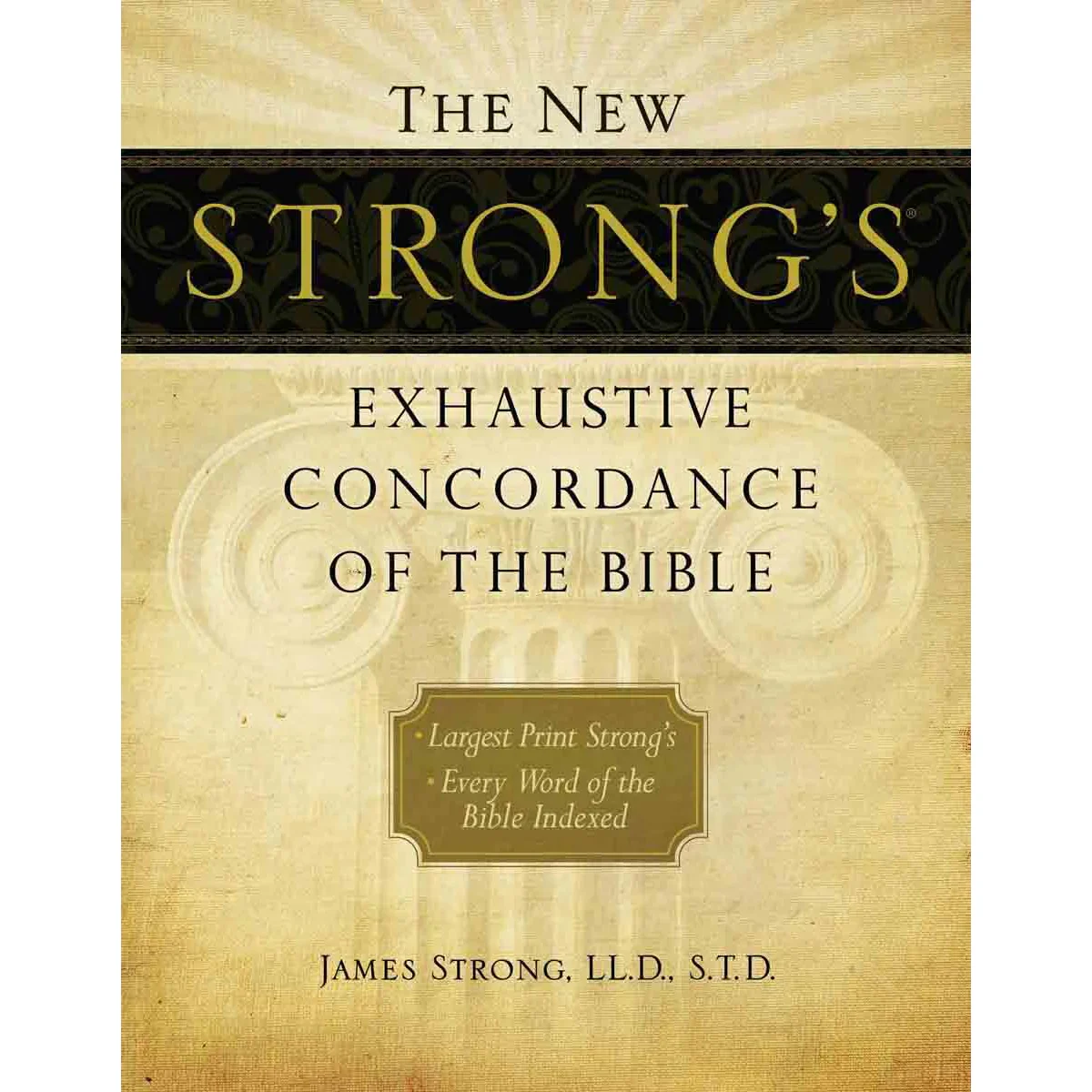
Most English Bibles can't carry the full weight of what's in the original Hebrew and Greek. The F.O.G Bible Project exists to change that — three new translations built publicly (a Study Bible, a Reader's Bible, and F.O.G Jr. for younger readers), plus a word-by-word renewal of Strong's Concordance restoring the depths most translations leave behind. It is Jean Paul's lifelong work, unfolding in public — and you're invited in.
Jean Paul Joseph is the lead editor of the F.O.G Bible Project. He works from a personal encounter with Jesus first, then draws on the scholarship of respected Jewish and Christian scholars — because the church was Jewish before it was anything else, and those roots change everything about how you read Scripture.
Simply create an account and choose your preferred Bible and reading style. The app will track your progress and help keep you accountable to the rhythm of daily Scripture engagement.
a joint session, i.e. (specially), the Jewish Sanhedrin; by analogy, a subordinate tribunal
συνέδριον(synédrion)
Strong’s Definition
a joint session, i.e. (specially), the Jewish Sanhedrin; by analogy, a subordinate tribunal
neuter of a presumed derivative of a compound of G4862 (σύν) and the base of G1476 (ἑδραῖος);
“But I say unto you, That whosoever is angry with his brother without a cause shall be in danger of the judgment: and whosoever shall say to his brother, Raca, shall be in danger of the council: but whosoever shall say, Thou fool, shall be in danger of hell fire.”
No verses found containing this word study ID.
A Seat That Shakes the Heavens
Beloved, let us sit together for a moment and consider the weight of a seat. Not a simple stool or a resting place for the weary, but a synédrion — a joint session where the elders of Israel gathered, where stones of judgment were weighed, where the breath of the living God was measured against the deeds of men. This word appears twenty-two times in the sacred writings, and each occurrence carries the scent of cedar and the tremor of divine appointment. Twenty-two — the number of letters in the Hebrew alphabet, as if the very language of creation sits in judgment when this council convenes. What happens when men sit together in the name of the Most High? What happens when the seat becomes a throne, and the throne becomes a cross? Let us journey into this word, for in its syllables we find not merely a court, but the collision of heaven and earth.The Root of Gathering: Where Two or More Are Joined
The word synédrion is born of a beautiful union. It comes from syn, meaning "together," and hedraios, meaning "firm" or "steadfast." A council, then, is not merely a gathering of voices — it is a firm sitting together, a place where decisions are rooted in permanence. The ancient Greeks used this word for their local assemblies, their smaller tribunals, but the Holy Spirit took this vessel and filled it with the weight of Israel's covenant history. When the Septuagint translators encountered the Hebrew word sanhedrin (itself a loanword from the Greek), they chose this very term to render the council of seventy elders that Moses established in the wilderness. You see, the seat of judgment was never meant to be a place of mere opinion. It was meant to be a place where the firmness of God's Torah met the frailty of human dispute. The rabbis of old observed that when three sit in judgment, the Shekinah dwells among them. How much more when seventy elders gather with the High Priest at their head? Yet even this sacred gathering could become a place of stumbling, for the firmest seat can still hold a heart of stone.The First Seat: A Council Born in the Wilderness
The first shadow of the synédrion appears in the book of Numbers, when the LORD commanded Moses to gather seventy elders of Israel. "Gather unto me seventy men of the elders of Israel, whom thou knowest to be the elders of the people" (Numbers 11:16). These men were not chosen for their learning alone, but because they carried the spirit of Moses upon them. The Septuagint uses a different word there, yet the pattern is clear: the council was born from the burden of leadership, from the reality that one man cannot bear the weight of a nation alone. The sages teach that these seventy elders, plus Moses himself, formed the first synédrion — a number that echoed the seventy nations of the earth, as if Israel's judgment was meant to ripple outward to all peoples. But here is the mystery: when the Spirit rested upon these elders, they prophesied. They did not merely judge disputes; they spoke the very breath of heaven. The council was never meant to be a mere courtroom. It was meant to be a place where the Word of God became flesh in human decision. Yet how quickly the seat of prophecy became the seat of accusation.From Judgment to Rejection: The Council That Denied the Light
By the time of the New Covenant, the synédrion had become the supreme court of Jewish life, sitting in Jerusalem with the High Priest as its head. The Gospels show us this council in its full authority — and in its full failure. When the man born blind was brought before them after receiving his sight, the council could not bear the testimony. "They answered and said unto him, Thou wast altogether born in sins, and dost thou teach us? And they cast him out" (John 9:34). The council that was meant to be a refuge for truth became a fortress for tradition. The early church understood this tragedy deeply: the very institution that was given to guard the covenant became the instrument that condemned the Covenant-Maker. When Yeshua stood before the synédrion, He did not stand as a criminal but as the fulfillment of every sacrifice they had ever approved. The High Priest tore his garments, and the council condemned the One who had come to fulfill the law they claimed to protect. You must see this: the seat of judgment cannot stand when the Judge of all the earth is standing before it. The firmness of the synédrion became the hardness of a heart that refused to recognize its own Messiah.The LXX Bridge: When Greek Words Carry Hebrew Fire
The Septuagint uses synédrion sparingly, but each use is a window into the soul of Israel. In the book of Proverbs, the wise man declares, "He that walketh with wise men shall be wise: but a companion of fools shall be destroyed" (Proverbs 13:20). The Septuagint here uses language of assembly and counsel, hinting that the synédrion is not merely a political body but a spiritual reality. The Hebrew word it often translates is sod, meaning "counsel" or "secret council" — the intimate gathering of those who know the LORD's heart. This is profound: the same word that described the council of elders in Jerusalem also described the council of the righteous who walk with God. The Psalmist sang, "The secret of the LORD is with them that fear him; and he will show them his covenant" (Psalm 25:14). The synédrion was meant to be a place of covenant intimacy, where the secrets of heaven were revealed through the judgments of earth. But when the council rejected the Messiah, they lost access to the secret. They became a court without the Counselor, a throne without the King.The Apostolic Council: A New Kind of Synédrion
The book of Acts shows us a remarkable transformation. When the apostles gathered in Jerusalem to decide the question of Gentile inclusion, they did not reject the pattern of the synédrion — they redeemed it. "Then pleased it the apostles and elders, with the whole church, to send chosen men of their own company to Antioch" (Acts 15:22). Here is a council without a High Priest in the old order, yet with the High Priest after the order of Melchizedek present in their midst through the Holy Spirit. The apostolic tradition teaches that this gathering was not a rebellion against the old council but its fulfillment. The fathers of the faith observed that where two or three are gathered in the name of Yeshua, there is a synédrion of a new kind — one where the Spirit writes the verdict on the tablets of the heart. The early church understood that every congregation is a council, every gathering of believers a court where the wisdom of God is proclaimed. You are part of this council, beloved. When you gather with the faithful, you sit in a seat that echoes the throne of heaven.The Messiah Before the Council: The Verdict That Saved the World
The most profound moment for this word comes when Yeshua stands before the synédrion of Israel. "And the chief priests and all the council sought for witness against Jesus to put him to death; and found none" (Mark 14:55). They sought testimony and found silence. They sought accusation and found innocence. Yet they condemned Him anyway. Here is the great inversion: the council that judged the innocent became the council that was judged by heaven. The High Priest asked, "Art thou the Christ, the Son of the Blessed?" and Yeshua answered, "I am: and ye shall see the Son of man sitting on the right hand of power, and coming in the clouds of heaven" (Mark 14:61-62). In that moment, the synédrion became a stage for the greatest drama of redemption. The council condemned the Son, but the Father raised Him up. The seat of earthly judgment could not hold the One who sits at the right hand of the Majesty on high. The apostolic faith proclaims that every knee shall bow — including the knees of those who sat in that council — before the Lamb who was slain. The verdict they pronounced became the salvation of the world.Your Seat in the Counsel of the Lord
And now, my friend, I must ask you: where do you sit? The word synédrion calls to you from the pages of Scripture, inviting you to consider the councils you keep. Do you sit with the mockers, as the Psalmist warned? Or do you sit in the seat of the wise, where the fear of the LORD is the beginning of knowledge? The early church understood that every believer is called to be a living stone in a spiritual house, a member of a royal priesthood. You are not merely an observer of the council — you are a participant. When you gather with the body of Messiah, you sit in a synédrion that spans heaven and earth. The decisions you make in prayer, the judgments you render in love, the testimonies you speak in faith — these echo in the courts of heaven. The rabbis of old said that when a judge sits in truth, the Holy One sits with him. How much more when you sit in the name of Yeshua? So take your seat, beloved. Sit firmly in the counsel of the Lord. Let your judgments be mercy, your verdicts be love, and your council be the place where heaven touches earth. For the One who stood condemned before the synédrion now sits enthroned — and He invites you to sit with Him.