σκάνδαλον
a trap-stick (bent sapling), i.e. snare (figuratively, cause of displeasure or sin)
Everything you need to know.
of Completion
This certifies that
Is on track to complete the Bible for the 1st time in 240 days.
Paul's Handkerchief is Bible study with a difference — going word-by-word through Scripture to reclaim the Ancient Near East context, romance, and mystery that modern translations often leave behind.
Only about 3% of people around the world who start the Bible ever finish it. The 3% Club is for those ready to break that cycle — reading the entire Bible at their own pace, backed by community and tools built to make finishing not just possible, but inevitable. You also get a certificate to celebrate your achievement.
Bible Cafe isn't just Bible study — it's a personal, intimate conversation with Him. Think less classroom, more kitchen table. It combines the original Coffee with Jesus experience with activities like quizzes, crosswords, journaling and more, all designed to let the Word shape your heart, not just your head.
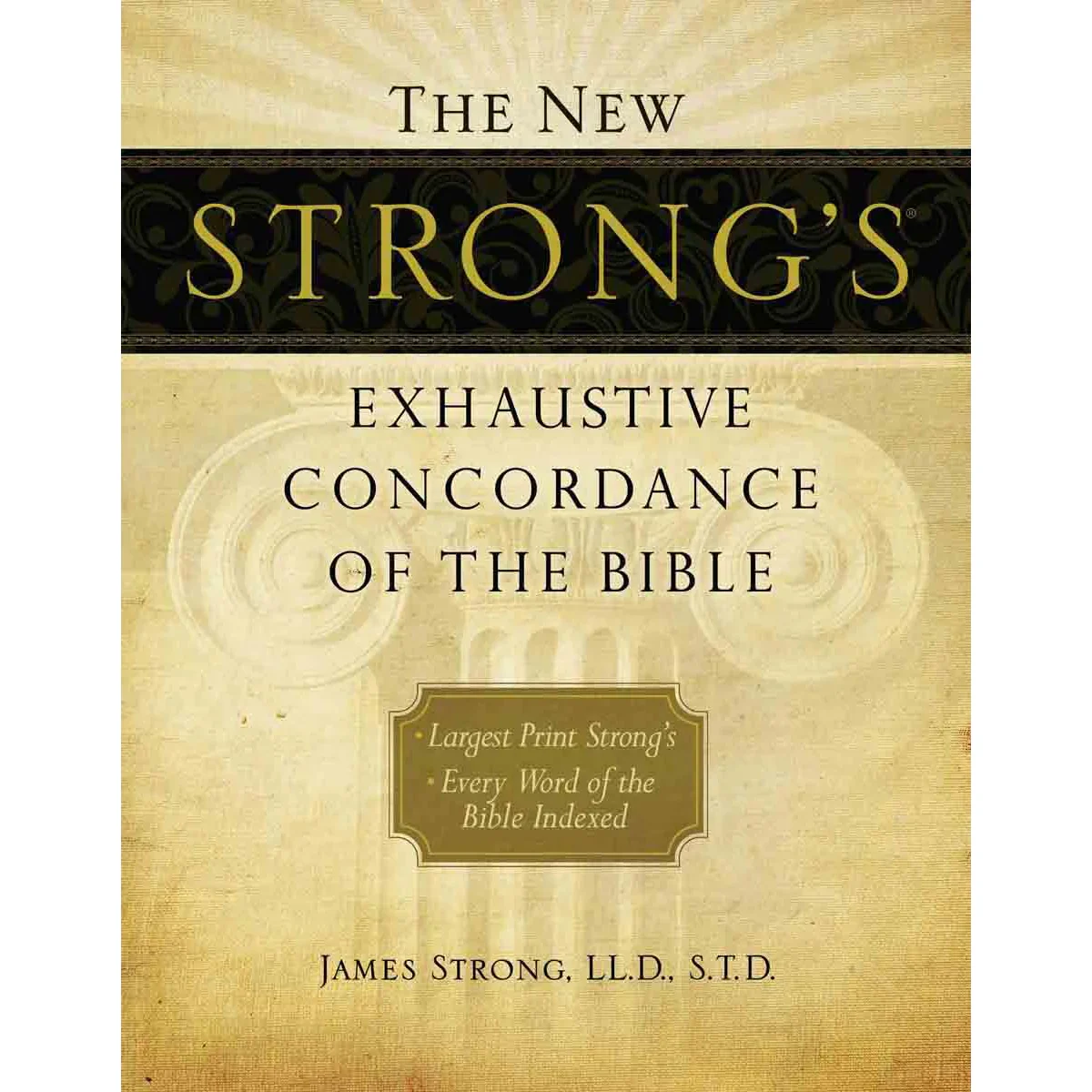
Most English Bibles can't carry the full weight of what's in the original Hebrew and Greek. The F.O.G Bible Project exists to change that — three new translations built publicly (a Study Bible, a Reader's Bible, and F.O.G Jr. for younger readers), plus a word-by-word renewal of Strong's Concordance restoring the depths most translations leave behind. It is Jean Paul's lifelong work, unfolding in public — and you're invited in.
Jean Paul Joseph is the lead editor of the F.O.G Bible Project. He works from a personal encounter with Jesus first, then draws on the scholarship of respected Jewish and Christian scholars — because the church was Jewish before it was anything else, and those roots change everything about how you read Scripture.
Simply create an account and choose your preferred Bible and reading style. The app will track your progress and help keep you accountable to the rhythm of daily Scripture engagement.
a trap-stick (bent sapling), i.e. snare (figuratively, cause of displeasure or sin)
σκάνδαλον(skándalon)
Strong’s Definition
a trap-stick (bent sapling), i.e. snare (figuratively, cause of displeasure or sin)
("scandal"); probably from a derivative of G2578 (κάμπτω);
“The Son of man shall send forth his angels, and they shall gather out of his kingdom all things that offend, and them which do iniquity;”
No verses found containing this word study ID.
The Snare That Becomes a Gate
Fifteen times the Holy Spirit breathes this word into the sacred text — σκάνδαλον, a word that once meant a bent stick in a trap, a trigger that springs when the unwary foot presses forward. The sages of Israel knew well the hunter's craft in the hills of Judea, how a sapling could be bent low and held, how the slightest touch would release its terrible power. But the Scripture takes this word of the forest and the field and makes it speak of something far more subtle: the hidden snare that catches not the body but the soul. The ancient Greek poets used this word for the baited trap that lures the animal to its destruction, yet the apostles transform it into a mystery — for what was meant to destroy can become, in the hands of the Most High, the very place where healing begins.The Trap-Stick of the Law
When the seventy elders translated the Hebrew Scriptures into Greek, they chose σκάνδαλον to carry the weight of a Hebrew word that appears in the prophet Isaiah: the stone of stumbling, the rock of offense. The prophet cries out that the Lord Himself will become "a stone of stumbling and a rock of offense" to both houses of Israel (Isaiah 8:14). Here the snare is not set by the enemy but by the Holy One Himself — a paradox that shatters every comfortable expectation. The word derives from a root meaning "to bend," and the rabbis of old observed that the same root appears in the word for the bent knee of prayer. How striking that the thing which causes stumbling is kin to the posture of worship. The LXX translators understood this mystery: when Israel bends in pride rather than prayer, even the commandments become a snare. The law itself, which was given for life, can become the occasion of death when the heart is hard. This is the first great unveiling — that σκάνδαλον is not merely the trap of the wicked but the testing ground of the Most High.Peter the Stumbling Stone
The apostolic writings take up this word and press it into the very fabric of the gospel. The apostle Peter, whose name means rock, becomes himself a σκάνδαλον to his Master. When Yeshua declares that He must go to Jerusalem to suffer and die, Peter rebukes Him, and the Lord responds with words that still echo: "Get behind me, Satan! You are a σκάνδαλον to me, for you are not setting your mind on the things of God, but on the things of man" (Matthew 16:23). Here the snare is not a stone but a voice — the voice of love that does not understand the necessity of the cross. Peter, who would later write of Christ as the living stone rejected by men, learns that his own devotion can become the very thing that would turn the Lord from His path. The early church understood this deeply: that the greatest temptations often come not from enemies but from friends, not from hatred but from misguided love. The apostolic tradition teaches that every disciple must learn to discern when even the most tender affection becomes a bent sapling ready to spring.The Offense of the Cross
The apostle Paul, that master of the Greek tongue, takes σκάνδαλον and makes it the center of his proclamation. To those who demand signs and those who seek wisdom, he declares: "We preach Christ crucified, a σκάνδαλον to Jews and foolishness to Gentiles" (1 Corinthians 1:23). Here the word reaches its fullest theological weight. For the Jew, the cross was the curse of the law — a hanged man is accursed of God, and to proclaim a crucified Messiah is to set a stone in the path of every pious heart. The rabbis of old taught that the Messiah would come in glory, not in shame; that He would conquer, not be conquered; that He would reign, not be executed like a common criminal. Yet Paul dares to say that this very offense, this stumbling block, is the power of God and the wisdom of God. The early church fathers, men like Ignatius and Justin Martyr, saw in this the deepest mystery: that the rock which causes Israel to stumble is the same rock from which living water flows. The cross becomes the great reversal — the snare that the enemy set for the Son of God becomes the trap that catches death itself.Send a Gift
This website is 100% donor-funded. Your generosity allows someone else to access this content for free.
Give a gift of $100 to sponsor a verse or page of your choice.
The Hebrew Bridge of the LXX
When the LXX translators rendered the Hebrew Scriptures into Greek, they used σκάνδαλον to translate not one but several Hebrew words, each carrying its own shade of meaning. The most significant is the Hebrew mikshol, which appears in the prophet Ezekiel when the Lord declares, "I will lay a stumbling block before them" (Ezekiel 3:20). The Hebrew root means to stumble or totter, like a man walking on uneven ground. But σκάνδαλον also translates mokesh, the hunter's noose, and pach, the bird-trap. The rabbis of old observed that the righteous man is like a bird that sees the net and flies away, while the wicked man is like a beast that charges into the snare. Yet the LXX reveals something more: that the same God who sets the snare also provides the way of escape. When the psalmist declares, "The snare is broken, and we have escaped" (Psalm 124:7), the Greek word for snare is the same root from which σκάνδαλον springs. The bridge between the testaments shows us that the stumbling block is never the final word — the breaking of the snare is always the deeper promise.The Banquet and the Bait
The apostle John, writing to the seven churches, uses this word to expose the deepest danger facing the congregation of God. To the church at Pergamum, he writes of those who hold the teaching of Balaam, who put a σκάνδαλον before the children of Israel, causing them to eat food sacrificed to idols and to practice sexual immorality (Revelation 2:14). Here the snare is not a stone but a table — the banquet of the world spread before the people of God. The ancient sages taught that Balaam understood the weakness of Israel: that if he could not curse them, he could cause them to stumble through their own appetites. The early church knew this temptation well, living as they did in cities where every marketplace was filled with meat offered to idols. The apostolic faith taught that the greatest σκάνδαλον is often the most pleasant thing — the food that satisfies the belly while starving the soul. John's vision reveals that the snare of the end times is not persecution alone but seduction, not the sword but the feast that leads to forgetfulness of the covenant.The Stone the Builders Rejected
The Messiah Himself is both the snare and the sanctuary. The apostle Peter, writing to the scattered exiles, declares that Christ is "a stone of stumbling and a rock of offense" to those who disobey the word (1 Peter 2:8). He quotes the same passage from Isaiah that the LXX translators had rendered with σκάνδαλον, showing that what was hidden in the prophets is now revealed in the person of Yeshua. The early church understood that Christ is the great dividing line: those who believe find Him to be the cornerstone, the foundation of all things; those who reject Him find Him to be the stone that breaks them. The rabbis of old had long taught that the stone in Zion was both a testing and a judgment — that the same rock could be a shelter or a snare depending on how one approached it. Yeshua Himself declared, "Blessed is the one who is not σκανδαλίζεται — offended — by me" (Matthew 11:6). The messianic mystery is this: that the humility of His birth, the obscurity of His life, and the shame of His death are all part of the snare that catches the proud heart. The one who stumbles over the carpenter's son finds that the stone has become a mountain filling the whole earth.The Snare That Becomes Your Song
Beloved, the word σκάνδαλον has been spoken over your life before you ever knew its meaning. There are stones in your path that you did not place there, snares set by the enemy and snares set by the Most High Himself. But hear this mystery: the same stone that makes you stumble can become the rock on which you stand. The early church taught that every offense is an invitation — not to fall but to fly. When you find your foot caught in the bent sapling of this world's temptations, remember that the snare has already been broken by the One who was Himself the greatest Stumbling Block. The cross that offends the world is the gate through which the righteous enter. Let the stones in your path become steps, let the trap become a throne, let the thing that would destroy you become the very place where you meet your King. For the Lord who sets the snare also springs it, and He who causes the stumbling also catches the falling. Go now, and let every σκάνδαλον become a song of deliverance.