
Strong's g3392
Strong's G3392

Unveiling the Word
In Biblical studies, understanding the Greek terms used in the New Testament can reveal deeper theological meanings and cultural nuances that might otherwise be missed. The Greek word μιαίνω (miaínō), which appears in John 18:28, is particularly significant because it relates to the concept of defilement, both in ritualistic and moral senses. This word carries rich implications not only in Jewish purity laws but also in the broader Greco-Roman cultural context. In John 18:28, for example, the word is used to describe the Jewish leaders’ fear of being defiled by entering Pilate’s judgment hall, highlighting their concern for maintaining ritual purity during Passover.

Key Information
μιαίνω
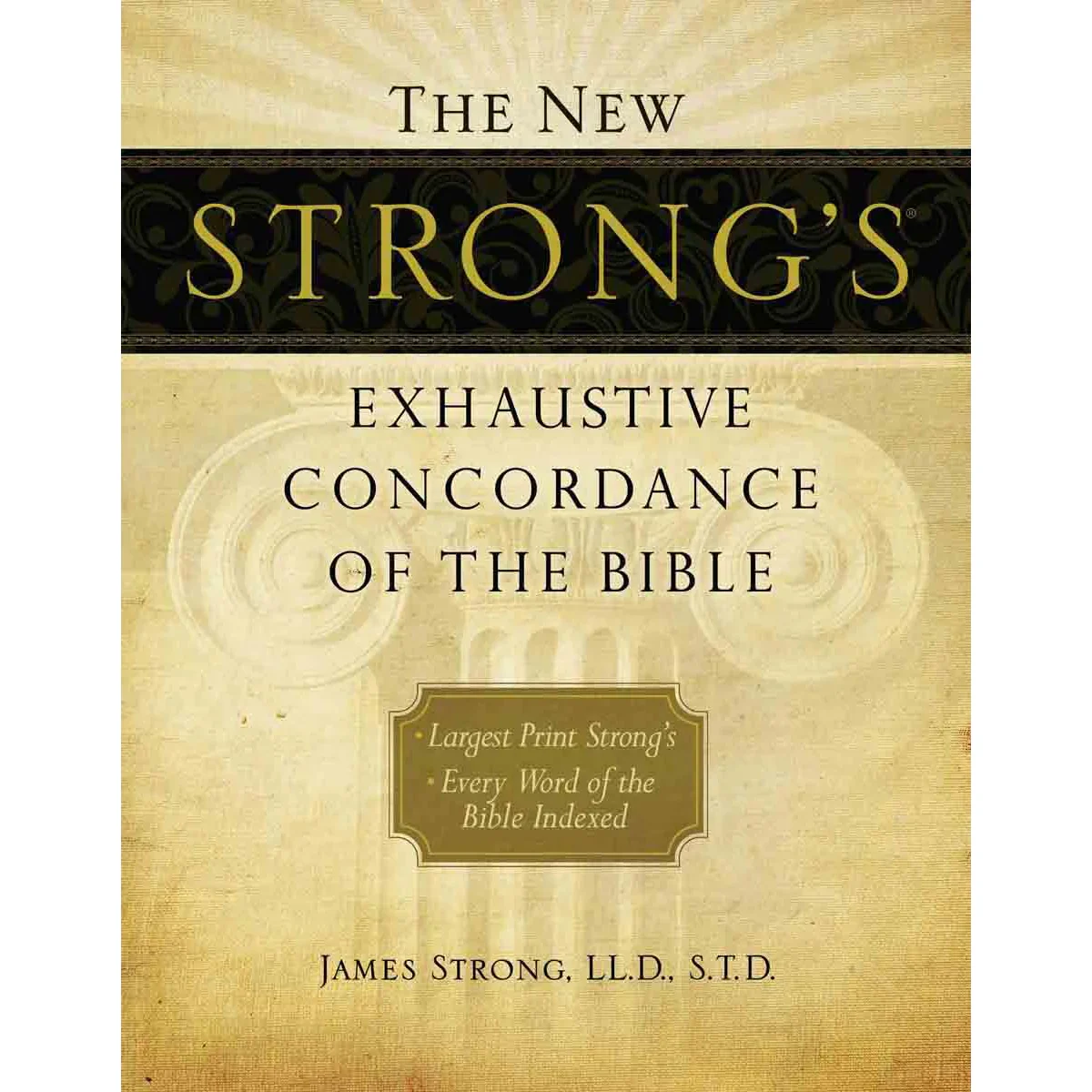
Strong’s Entry
g3392
Necessary Information

Greek Word: μιαίνω (miaínō), pronounced mee-AY-noh.
Etymology: The root of μιαίνω comes from the Greek root mia- meaning “to stain” or “to pollute.” This root is associated with contamination, often of a spiritual or moral nature.
Part of Speech: μιαίνω is a verb, and it commonly appears in the active voice. It is used to describe actions involving contamination or defilement, either literal or metaphorical.
The F.O.G Word Choice: Coming Soon.
Defining Meanings
1. To stain or pollute: In its most literal sense, μιαίνω refers to staining or polluting something physically. This could involve making something unclean or impure, especially in terms of ritualistic purity.
2. To defile morally: Beyond the physical, the word also carries a moral weight, used to describe acts of moral defilement, such as sinful behaviors that corrupt an individual’s spiritual standing. This meaning is especially important in understanding New Testament contexts, where moral and ritual purity are often intertwined.
3. To contaminate religiously: In Jewish religious practice, μιαίνω is closely linked with the idea of becoming ritually unclean. It is used in contexts where individuals or objects become impure and thus unfit for participation in sacred rites.
Exploring Similar Words
1. κοινόω (koinóō): Pronounced koy-NOH-oh, this word also means “to make common” or “to defile.” However, it emphasizes the act of making something unclean by association with the profane, rather than the intrinsic defilement implied by μιαίνω.
2. μολύνω (molýnō): Pronounced mo-LEE-noh, meaning “to stain” or “to soil.” While similar in meaning, μολύνω often refers to more literal contamination, such as soiling clothing, whereas μιαίνω more frequently denotes moral or spiritual defilement.
Reviewing the Word’s Morphology
Tense, Voice, Mood: μιαίνω is primarily found in the present tense and active voice, but it can also appear in the perfect and aorist tenses. Its use in different moods, such as indicative and imperative, reflects various aspects of defilement—either as an ongoing action or a completed state.
Person and Number: μιαίνω can be conjugated in singular and plural forms, depending on the subject. For example, in the first-person singular form (present indicative), it would be μιαίνω—“I defile.”
Aspect: The aspect of μιαίνω often leans towards imperfective, indicating an ongoing process of defilement. However, in certain tenses, it conveys perfective aspect, showing the result of defilement, as in someone or something being in a state of impurity.
Click here for a beginners guide to reading Greek.
Studying Lexicon Insights
μιαίνω is discussed in various Greek lexicons for its religious and moral applications. In New Testament contexts, it is often used to indicate ritual impurity or moral corruption. For instance, it frequently appears in relation to Jewish purity laws, where defilement can occur through contact with Gentiles, unclean foods, or even sinful acts. Classical Greek literature also uses μιαίνω to express both physical contamination and metaphorical pollution, particularly in connection with the gods and religious observance. In these contexts, the term implies both the defilement of the body and soul. This overview synthesizes insights from BDAG, Thayer’s, LSJ, Vine’s, Strong’s, LEH, and Moulton and Milligan.
Tracing Related Scriptures
1. John 18:28: “Then they led Jesus from the house of Caiaphas to the governor’s headquarters. It was early morning, and they did not enter the governor’s headquarters so that they might not be defiled [μιαίνω], but could eat the Passover.”
2. Titus 1:15: “To the pure, all things are pure, but to the defiled [μιαίνω] and unbelieving, nothing is pure.”
3. Hebrews 12:15: “See to it that no one fails to obtain the grace of God, that no ‘root of bitterness’ springs up and causes trouble, and by it many become defiled [μιαίνω].”
Analyzing Classical Usage
Author Name of Work Text with μιαίνω
Plato Republic “The soul is defiled [μιαίνω] by unjust actions.”
Herodotus Histories “Those who touched the sacred temple were defiled [μιαίνω].”
Septuagint Leviticus 18:30 “Keep my statutes and do not defile [μιαίνω] yourselves.”
Noteworthy Summary
The Greek word μιαίνω carries significant weight in both biblical and classical contexts, where it denotes defilement in physical, moral, and ritualistic senses. Understanding this term helps to interpret key New Testament passages related to purity and impurity, especially in contexts where Jewish ritual laws intersect with broader Greco-Roman cultural practices. Its use in texts like John 18:28 highlights the tension between maintaining religious purity and engaging with the surrounding world.
Did You Know?
• μιαίνω is often associated with the idea of defilement in Jewish ritual practices, emphasizing the importance of ceremonial purity.
• The term was not limited to religious contexts; it was also used in Greek philosophy to describe the moral corruption of the soul.
• In the New Testament, μιαίνω is closely linked to discussions about holiness, righteousness, and the danger of spiritual contamination.
Note: While this entry strives for accuracy, readers engaged in critical research should verify citations and keyword occurrences in their Bible translation of choice. For Biblical citations, the F.O.G Bible project recommends Logos Bible software.
Strong's g3392
Add Comment
God's Word is too vast for a single perspective. We all have a story, and as believers we all carry the Holy Spirit who is the Revealer. With this in mind - I would love to read your comments.