καταπαύω
to settle down, i.e. (literally) to colonize, or (figuratively) to (cause to) desist
Everything you need to know.
of Completion
This certifies that
Is on track to complete the Bible for the 1st time in 240 days.
Paul's Handkerchief is Bible study with a difference — going word-by-word through Scripture to reclaim the Ancient Near East context, romance, and mystery that modern translations often leave behind.
Only about 3% of people around the world who start the Bible ever finish it. The 3% Club is for those ready to break that cycle — reading the entire Bible at their own pace, backed by community and tools built to make finishing not just possible, but inevitable. You also get a certificate to celebrate your achievement.
Bible Cafe isn't just Bible study — it's a personal, intimate conversation with Him. Think less classroom, more kitchen table. It combines the original Coffee with Jesus experience with activities like quizzes, crosswords, journaling and more, all designed to let the Word shape your heart, not just your head.
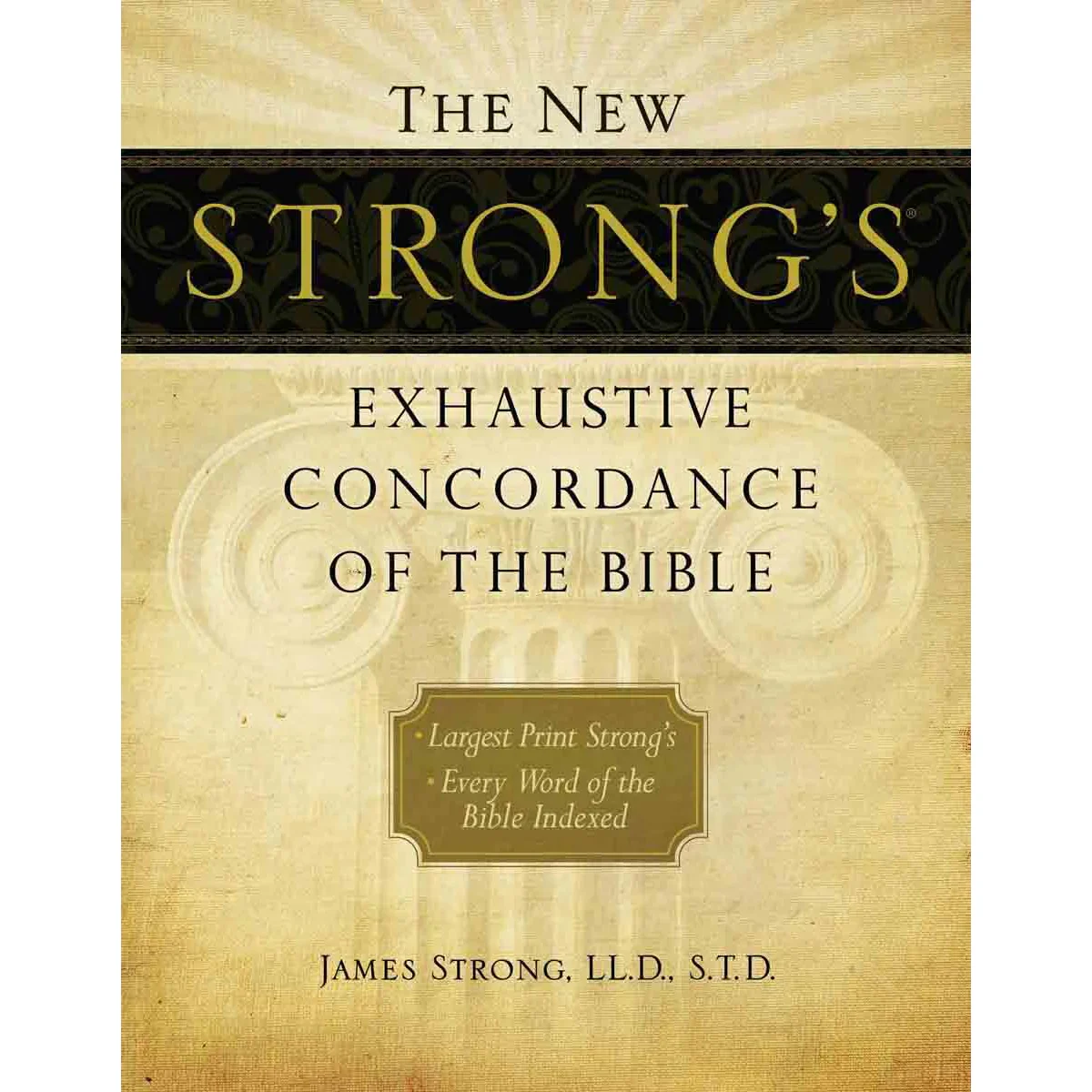
Most English Bibles can't carry the full weight of what's in the original Hebrew and Greek. The F.O.G Bible Project exists to change that — three new translations built publicly (a Study Bible, a Reader's Bible, and F.O.G Jr. for younger readers), plus a word-by-word renewal of Strong's Concordance restoring the depths most translations leave behind. It is Jean Paul's lifelong work, unfolding in public — and you're invited in.
Jean Paul Joseph is the lead editor of the F.O.G Bible Project. He works from a personal encounter with Jesus first, then draws on the scholarship of respected Jewish and Christian scholars — because the church was Jewish before it was anything else, and those roots change everything about how you read Scripture.
Simply create an account and choose your preferred Bible and reading style. The app will track your progress and help keep you accountable to the rhythm of daily Scripture engagement.
to settle down, i.e. (literally) to colonize, or (figuratively) to (cause to) desist
καταπαύω(katapaúō)
Strong’s Definition
to settle down, i.e. (literally) to colonize, or (figuratively) to (cause to) desist
from G2596 (κατά) and G3973 (παύω);
“And with these sayings scarce restrained they the people, that they had not done sacrifice unto them.”
No verses found containing this word study ID.
The Breath That Ceases and the Hand That Settles
There is a moment when the storm itself grows weary of its own fury, when the waves pause as if remembering their Creator. The Greek word katapaúō appears only five times in the New Testament, yet each occurrence carries the weight of a divine pause — a cessation that is not mere emptiness but a settling down into peace. When the Holy Spirit first utters this verb through the writer of Hebrews, it comes wrapped in the ancient promise of rest: "They shall not enter into my rest" (Hebrews 3:11). The word itself is built from katá, meaning "down," and paúō, meaning "to cause to cease." Together they form not a hollow stopping but a descent into stillness, a colonization of the soul by the quiet of God.
The Aorist of Promise and the Present of Pursuit
Watch how the grammar itself becomes a teacher. In Hebrews 4:8, the writer declares that if Joshua had katapaúō — had given rest — God would not have spoken later of another day. The aorist tense here is decisive, a single completed act that would have sealed history shut. But the verb refuses to stay in the past. In Hebrews 4:10, the same word appears in the perfect tense: "He who has entered God's rest has himself also rested from his works." The perfect tense in Greek speaks of a completed action with ongoing results. The rest is not a memory — it is a present reality that keeps settling you even now.
The ancient sages taught that the Sabbath rest was not merely a day but a taste of the world to come. When the Septuagint translators chose katapaúō to render the Hebrew verb shavat — to cease — they were building a bridge between creation and redemption. In Exodus 20:11, God Himself katapaúō on the seventh day. The Creator ceased, and in that cessation, He did not become distant. He became present. The grammatical form of the verb in Hebrews reveals that this rest is something you enter, not something you achieve. It is an aorist gift wrapped in a perfect promise.
When God Colonizes the Soul
The Strong's definition speaks of colonization, and this is where the word reveals its deepest Hebrew root. The Septuagint uses katapaúō to translate the Hebrew nachah — to settle, to lead to rest, to plant a people in their inheritance. In Deuteronomy 12:10, the Lord promises Israel: "He shall give you rest from all your enemies round about, so that you dwell in safety." The rest is not merely the absence of war — it is the presence of a homeland. Your soul was never meant to be a wandering nomad. The apostolic tradition teaches that the early church understood this verb as the opposite of anxiety, the cessation of the inner war against God's sovereignty.
Paul, who uses this word in Acts 14:18, knows its power in the negative. When the crowds at Lystra would have worshiped him and Barnabas, the apostles "scarcely restrained" — katapaúō — the people from their idolatry. Here the verb means to cause to desist, to stop a movement that threatens to misdirect worship. The same God who settles the soul also stills the hand that reaches for false altars. The early Church father Clement of Rome wrote of this dual action: the Lord who gives rest also restrains chaos, holding back the flood of human pride until the appointed time.
The LXX Bridge: From Hebrew Rest to Greek Stillness
Every Greek word in the New Testament carries within it the echo of a Hebrew original. The Septuagint translators, those Jewish sages of Alexandria who rendered the Hebrew Scriptures into Greek, chose katapaúō with precision. It translates not only shavat (to cease) and nachah (to settle), but also shaqat — to be quiet, to be at peace. In Judges 3:11, the land had rest forty years — the Hebrew says vattishqot ha'aretz, and the Septuagint renders it katapaúō. The land itself ceased its groaning. This is no passive stillness — it is the land breathing again under the rule of a righteous judge.
The Hebrew verb shaqat carries the sound of a storm subsiding, of waters settling after the rain. When the New Testament writers take up katapaúō, they are not borrowing a Greek philosophical concept of stillness. They are invoking the very breath of God that calmed the chaos of creation. The psalmist sang, "Be still, and know that I am God" (Psalm 46:10). In the Septuagint, that "be still" is scholasate, but the rest it promises is katapaúō. The bridge between the testaments is built on this word — a promise that the God who rested on the seventh day will one day settle His people in the land of His presence forever.
Send a Gift
This website is 100% donor-funded. Your generosity allows someone else to access this content for free.
Give a gift of $100 to sponsor a verse or page of your choice.
Yeshua, the Lord of the Ceased Storm
The Messianic fulfillment of katapaúō comes not in a synagogue debate but on a storm-tossed sea. In Mark 4:39, Yeshua rises from sleep and rebukes the wind, saying "Peace, be still." The Greek verb here is phimoó — to muzzle — but the result is katapaúō in its purest form. The wind ceased, and there was a great calm. The disciples saw not just a miracle of nature but a revelation of identity. Only the God who rested on the seventh day could command creation to imitate His rest.
The writer of Hebrews makes the connection explicit. He declares that there remains a Sabbath rest — a sabbatismos — for the people of God (Hebrews 4:9). And he grounds this rest in the work of Yeshua, who "has been made perfect forever" (Hebrews 7:28). The apostolic faith teaches that the Messiah did not merely promise rest — He became it. When He said, "Come to me, all you who labor and are heavy laden, and I will give you rest" (Matthew 11:28), the verb is anapaúō, a close cousin of katapaúō. The rest Yeshua gives is not a temporary ceasefire but a permanent settlement of your soul in the land of His love.
The Five Occurrences and the Fullness of Time
The word appears only five times in the New Testament — a number that in Hebrew thought speaks of grace, of the five books of Torah, of the fivefold ministry gifts. In Hebrews 3:11 and 3:18, it is the rest that the rebellious generation failed to enter. In Hebrews 4:8, it is the rest that Joshua could not give. In Acts 14:18, it is the restraint of idolatry. And in Hebrews 4:10, it is the present rest of the believer. The pattern is clear: the word moves from judgment to promise, from history to present tense, from a land to a Person.
The ancient Jewish wisdom teaches that the world was created in six days and that the seventh day is the goal of all creation. The rabbis of old observed that the Sabbath is a foretaste of the age to come, when all striving will cease and the knowledge of the Lord will cover the earth as the waters cover the sea. Yet the New Testament goes further — it declares that this rest has already begun in the heart of every believer who ceases from their own works. You are not waiting for the rest. You are living in it, even as you groan for its fullness.
Your Call to Cease and Be Settled
Now the word turns toward you. The verb katapaúō is not a doctrine to be studied but an action to be received. You have been striving — against your past, against your fears, against the voice that tells you must earn what has already been given. But the Lord of the Sabbath stands before you with hands that are not clenched but open. He does not ask you to work for your rest. He asks you to stop working as if everything depended on you.
Let the very grammar of this word become your prayer. Let the aorist action of the cross settle your guilt once and for all. Let the perfect tense of the resurrection keep you in ongoing peace. Let the present imperative of the Spirit say to your storm: cease. The God who colonized a land for Israel has colonized your heart for His presence. The rest is not ahead of you. It is beneath your feet, holding you as the sea holds the ship that has dropped its anchor. You are not drifting. You are settled. And the One who settled you will never cease to be your peace.