καταγγέλλω
to proclaim, promulgate
Everything you need to know.
of Completion
This certifies that
Is on track to complete the Bible for the 1st time in 240 days.
Paul's Handkerchief is Bible study with a difference — going word-by-word through Scripture to reclaim the Ancient Near East context, romance, and mystery that modern translations often leave behind.
Only about 3% of people around the world who start the Bible ever finish it. The 3% Club is for those ready to break that cycle — reading the entire Bible at their own pace, backed by community and tools built to make finishing not just possible, but inevitable. You also get a certificate to celebrate your achievement.
Bible Cafe isn't just Bible study — it's a personal, intimate conversation with Him. Think less classroom, more kitchen table. It combines the original Coffee with Jesus experience with activities like quizzes, crosswords, journaling and more, all designed to let the Word shape your heart, not just your head.
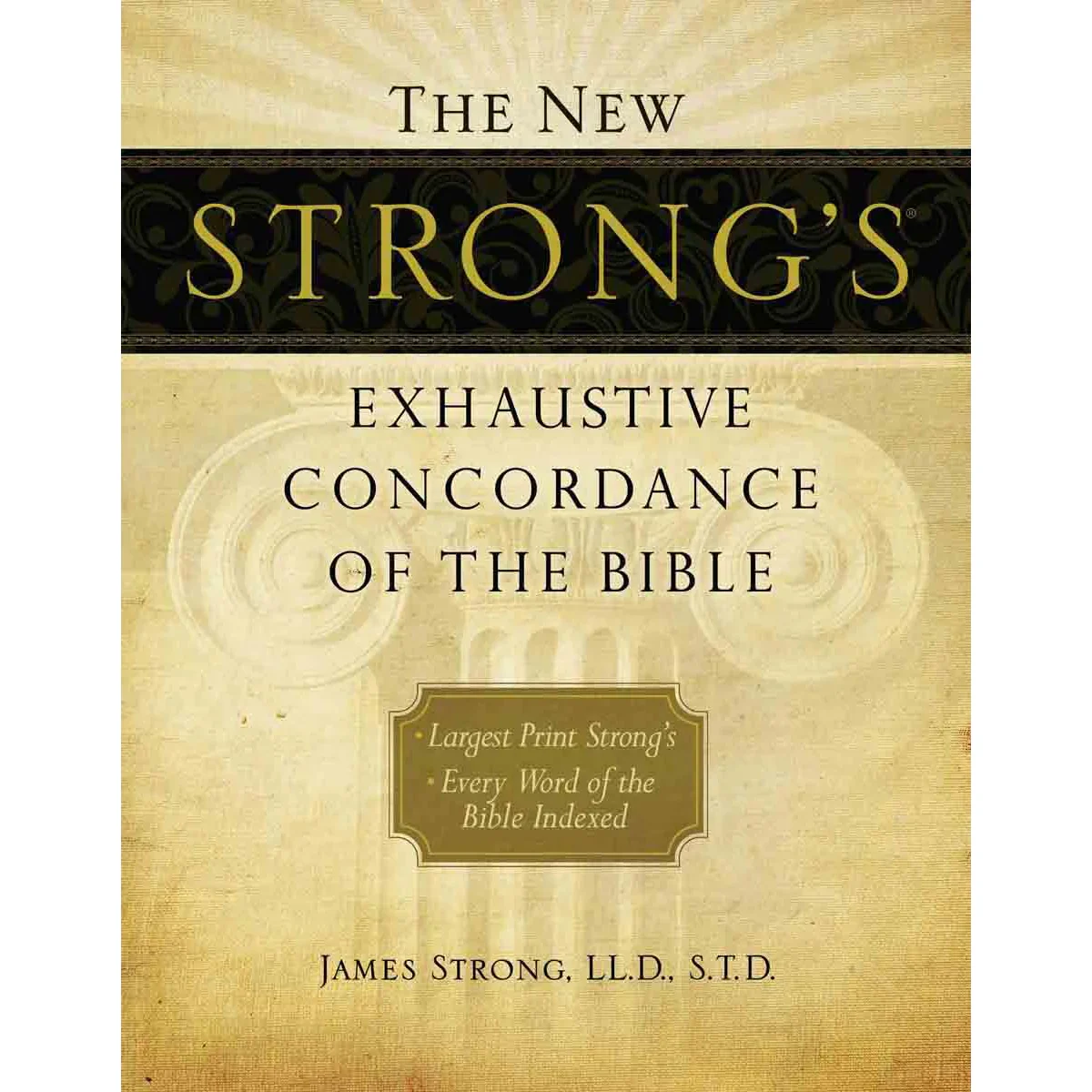
Most English Bibles can't carry the full weight of what's in the original Hebrew and Greek. The F.O.G Bible Project exists to change that — three new translations built publicly (a Study Bible, a Reader's Bible, and F.O.G Jr. for younger readers), plus a word-by-word renewal of Strong's Concordance restoring the depths most translations leave behind. It is Jean Paul's lifelong work, unfolding in public — and you're invited in.
Jean Paul Joseph is the lead editor of the F.O.G Bible Project. He works from a personal encounter with Jesus first, then draws on the scholarship of respected Jewish and Christian scholars — because the church was Jewish before it was anything else, and those roots change everything about how you read Scripture.
Simply create an account and choose your preferred Bible and reading style. The app will track your progress and help keep you accountable to the rhythm of daily Scripture engagement.
to proclaim, promulgate
καταγγέλλω(katangéllō)
Strong’s Definition
to proclaim, promulgate
from G2596 (κατά) and the base of G32 (ἄγγελος);
“Yea, and all the prophets from Samuel and those that follow after, as many as have spoken, have likewise foretold of these days.”
No verses found containing this word study ID.
The Scent of the Herald’s Voice
Seventeen times the Spirit breathes through this verb in the New Testament, yet each occurrence carries the weight of a world being remade. The word katangéllō is not a quiet whisper nor a casual mention—it is the sound of a herald who has seen something so staggering that his voice cannot be contained. The first time this verb appears, it is upon the lips of the apostle Paul in the synagogue of Thessalonica, where for three Sabbaths he “opened and set before them that the Messiah must suffer and rise again from the dead” (Acts 17:3). This is not dry teaching; it is a herald’s cry, a declaration that shatters the silence of the ages. The very structure of the word—the prefix kata intensifying the root of angellō, to bear a message—suggests a proclamation that comes down upon the hearer with authority, as if heaven itself has broken through the veil of earth.
From the Mouth of the Messenger
In the Greek world, katangéllō belonged to the language of the marketplace and the court—a herald who made a public decree, a town crier who could not be ignored. But when the apostles took this word into their mouths, they transformed its meaning forever. In the Septuagint, this same Greek verb translates the Hebrew nagad, a word of making known what was hidden, often used when a prophet declares the word of the Lord. Isaiah spoke of one who “declares the end from the beginning” (Isaiah 46:10), and the rabbis of old observed that such declaring is not mere information—it is a creative act, a bringing of the unseen into the open. Paul, writing to the Corinthians, uses this verb to describe what happens when the bread and the cup are shared: “As often as you eat this bread and drink this cup, you katangéllō the Lord’s death until He comes” (1 Corinthians 11:26). Here the verb takes on a sacramental weight—the action of proclaiming is not only with the lips but with the hands and the heart, a living announcement made through the breaking of bread.
The Tense of an Unfinished Song
The grammatical form of katangéllō in the New Testament is almost always present or imperfect tense—continuous, ongoing action. When Paul says in Athens that he “declares” the unknown God (Acts 17:23), the verb is in the present indicative, suggesting a proclamation that does not cease. This is not a single sermon finished and forgotten; it is a river that keeps flowing. The early church understood this well: Clement of Rome, writing to the Corinthians, urged the faithful to “proclaim the works of God” with every breath, for the herald’s voice must never fall silent. The passive voice appears too, most strikingly in Acts 16:17, where a slave girl possessed by a spirit of divination cries out, “These men are servants of the Most High God, who katangéllō to you the way of salvation.” Even the enemy’s mouth is forced to echo the truth—such is the power of this verb that it compels testimony from the most unwilling of tongues.
The Cross as the Content of the Cry
The apostle Paul uses katangéllō more than any other New Testament writer, and for him, the content of the proclamation is singular: the Messiah crucified and risen. In 1 Corinthians 9:14, he writes that those who “proclaim the gospel” should live from the gospel, linking the verb directly to the euangelion, the good news. But Paul deepens the meaning by showing that this proclamation is itself a participation in the event. When he writes that “we proclaim Christ crucified” (1 Corinthians 1:23), the verb is active, ongoing, present—the cross is not merely a past event but a present reality announced through the herald’s voice. Jewish tradition holds that when the high priest spoke the Name on Yom Kippur, the sound carried the presence of the Holy One into the ears of the people. So too, when the believer katangéllō the death of the Lord, the power of that death is made manifest in the hearing.
Send a Gift
This website is 100% donor-funded. Your generosity allows someone else to access this content for free.
Give a gift of $100 to sponsor a verse or page of your choice.
The Bridge of the Septuagint
When the translators of the Septuagint chose katangéllō to render Hebrew words, they often paired it with basar, the verb for bringing good tidings, and with shama, the call to hear and obey. In the Psalms, the one who “declares the praise of the Lord” (Psalm 9:11, LXX) uses this verb, connecting proclamation to worship. Yet the deepest bridge appears in Isaiah’s vision: “How beautiful upon the mountains are the feet of him who brings good news, who publishes peace” (Isaiah 52:7). The Greek translators used katangéllō for the Hebrew mashmia, the one who causes to hear. This is the intertestamental thread that the apostles seized: the herald of the Messiah is not merely a speaker but a cause of hearing, one whose voice enables the listener to perceive what the ear alone cannot grasp. The act of katangéllō creates in the hearer a new capacity for faith.
Yeshua, the Proclaimed and the Proclaimer
The New Testament writers apply this verb to the Messiah in a way that reveals His dual role. In Luke 4:18-19, Yeshua reads from the scroll of Isaiah, declaring that He has been anointed to “proclaim release to the captives.” The verb here is kēryssō, a near cousin to katangéllō, but the apostolic tradition understood that Yeshua was Himself the content of the greater proclamation. After His resurrection, the apostles do not merely speak about a teacher—they katangéllō that this Yeshua is the Messiah, the Lord of all (Acts 2:36). The early church father Ignatius of Antioch wrote that the proclamation of Christ is the fragrance of life itself, for in the herald’s voice, the risen Lord makes Himself present. Yeshua did not only fulfill the prophecies; He became the proclamation that the prophets could only foreshadow. Every time this verb is spoken, the Messiah is both the subject and the power behind the speaking.
The Voice That Calls You
You have been given a herald’s voice. The same verb that thundered from Paul’s lips in the synagogues, that broke bread in the upper room, that echoed through the Areopagus—this verb is now yours to speak. The rabbis of old taught that every word of proclamation carries the weight of the one who sent it. When you katangéllō the death of the Lord, you are not merely repeating a fact; you are making that death present, opening a door through which the hearer may walk into life. The tense is present, the action is continuous, and the call is for you. Open your mouth, and let the herald’s cry rise—not in your own strength, but in the power of the One who first proclaimed release to the captives. The world is waiting for the sound of your voice, joined to the ancient song of heaven.