καίω
to set on fire, i.e. kindle or (by implication) consume
Everything you need to know.
of Completion
This certifies that
Is on track to complete the Bible for the 1st time in 240 days.
Paul's Handkerchief is Bible study with a difference — going word-by-word through Scripture to reclaim the Ancient Near East context, romance, and mystery that modern translations often leave behind.
Only about 3% of people around the world who start the Bible ever finish it. The 3% Club is for those ready to break that cycle — reading the entire Bible at their own pace, backed by community and tools built to make finishing not just possible, but inevitable. You also get a certificate to celebrate your achievement.
Bible Cafe isn't just Bible study — it's a personal, intimate conversation with Him. Think less classroom, more kitchen table. It combines the original Coffee with Jesus experience with activities like quizzes, crosswords, journaling and more, all designed to let the Word shape your heart, not just your head.
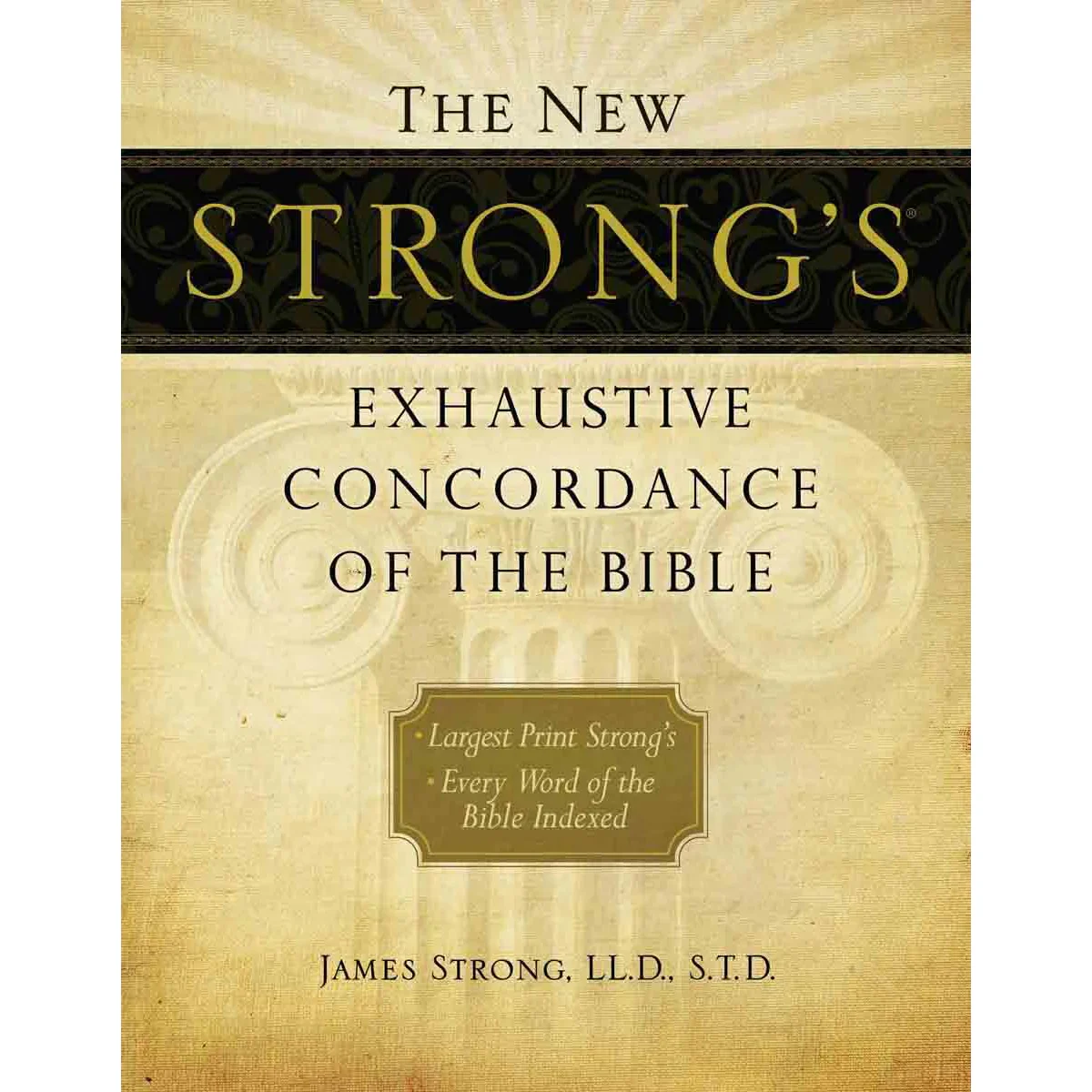
Most English Bibles can't carry the full weight of what's in the original Hebrew and Greek. The F.O.G Bible Project exists to change that — three new translations built publicly (a Study Bible, a Reader's Bible, and F.O.G Jr. for younger readers), plus a word-by-word renewal of Strong's Concordance restoring the depths most translations leave behind. It is Jean Paul's lifelong work, unfolding in public — and you're invited in.
Jean Paul Joseph is the lead editor of the F.O.G Bible Project. He works from a personal encounter with Jesus first, then draws on the scholarship of respected Jewish and Christian scholars — because the church was Jewish before it was anything else, and those roots change everything about how you read Scripture.
Simply create an account and choose your preferred Bible and reading style. The app will track your progress and help keep you accountable to the rhythm of daily Scripture engagement.
to set on fire, i.e. kindle or (by implication) consume
καίω(kaíō)
Strong’s Definition
to set on fire, i.e. kindle or (by implication) consume
apparently a primary verb;
“Neither do men light a candle, and put it under a bushel, but on a candlestick; and it giveth light unto all that are in the house.”
No verses found containing this word study ID.
The Fire That Consumes and the Fire That Illumines
Twelve times the Holy Spirit breathes this verb into the Greek pages of the New Covenant—καίω, kaíō, to set ablaze, to kindle, to consume by flame. The first time it appears, the fire is a servant. In Matthew’s gospel, John the Baptizer declares of the Coming One: “His winnowing fork is in His hand, and He will thoroughly clear His threshing floor; and He will gather His wheat into the barn, but the chaff He will burn up with unquenchable fire” (Matthew 3:12). Here the fire is not chaos but judgment—holy, purposeful, and eternal. Yet the same verb that speaks of consuming chaff also speaks of a lamp that gives light. The flame is one; the purpose is twofold. And you, dear reader, must decide which kind of fire you will carry in your heart.
The Verb That Kindles: Grammar as Theology
The Greek kaíō appears in the active voice when men light lamps (Matthew 5:15, Luke 8:16, Luke 11:33, John 15:6) and in the passive when things are burned—branches, chaff, the works of the wicked. But the most arresting grammatical moment comes in the perfect passive participle, when the author of Hebrews writes of those whose consciences have been “seared” as with a hot iron (1 Timothy 4:2). The perfect tense in Greek speaks of a completed action with ongoing results. A conscience that has been kekaustēriasmenon—branded, cauterized by repeated fire—no longer feels the flame. This is the terror of the passive voice: something has been done to a soul, and the fire that should purify has instead hardened. The early church understood this with aching clarity. Ignatius of Antioch wrote of his eagerness to be “burned” for Christ, not as punishment but as the fire of martyrdom that refines gold. The grammar of the verb teaches you that fire is never neutral—it either cleanses or scars, illuminates or consumes.
The First Flame in Scripture: The Burning Bush
Though kaíō appears twelve times in the New Testament, its deepest echo sounds from the Septuagint, where it translates the Hebrew ba’ar—to burn, to kindle, to consume. In the Greek version of Exodus 3:2, the bush ekaíeto—it was burning with fire, yet it was not consumed. This is the mystery of the Shekinah presence: the fire of the Holy One does not destroy what it inhabits. The rabbis of old observed that the bush was lowly, a thornbush, the humblest of trees, yet the fire of God dwelt within it without devouring it. So it is with you: when the fire of the Spirit comes upon a humble heart, it does not annihilate—it sanctifies. The burning bush is the first promise that God’s fire can dwell within mortal flesh without consuming it. That promise finds its fulfillment in a greater mystery: the Word made flesh.
The Fire That Lights the House: Yeshua’s Parable of the Lamp
In the Sermon on the Mount, Yeshua says, “Nor do men light a lamp (kaíousin lychnon) and put it under a peck-measure, but on the lampstand, and it gives light to all who are in the house” (Matthew 5:15). The verb is present active indicative—what men customarily do, what wisdom always does. The lamp is kindled for a purpose: not to be hidden, but to illuminate. Jewish tradition holds that the menorah in the Temple was never allowed to go out; the priests tended the flame so that the light of God’s presence would never cease. Yeshua takes this image and turns it upon His disciples: you are the light. You have been kindled by the Fire of Heaven Himself. To hide your flame is to frustrate the very purpose of your kindling. The apostolic tradition teaches that every believer is a lampstand—not the Light Himself, but a bearer of that Light, set in the house of the world so that others may see their way home.
Send a Gift
This website is 100% donor-funded. Your generosity allows someone else to access this content for free.
Give a gift of $100 to sponsor a verse or page of your choice.
The Fire That Burns the Branches: Judgment and Pruning
John 15:6 presents the darkest use of this verb in the New Testament. Yeshua speaks of the vine and the branches: “If anyone does not abide in Me, he is thrown away as a branch and dries up; and they gather them, and cast them into the fire (to pyr) and they are burned (kaíetai).” The passive voice is devastating: the branch does not burn itself—it is gathered, cast, and consumed. The fire here is not the refining fire of Zechariah 13:9, which purges the remnant; it is the fire of the threshing floor, which separates wheat from chaff and burns what has no root. The apostle Paul takes up this same image in 1 Corinthians 3:15, where a man’s work may be burned, yet he himself may be saved “yet so as through fire.” There is a fire that tests, and a fire that destroys. The difference is abiding. The branch that remains in the Vine draws life from the Living Fire and bears fruit; the branch that is severed has no source but itself, and so becomes fuel. You must ask yourself: am I abiding, or am I already dry?
The Septuagint Bridge: From Ba’ar to Kaíō
The Greek kaíō serves as the Septuagint’s vessel for the Hebrew ba’ar in over thirty passages. In Exodus 3:2, the bush ba’er with fire. In Isaiah 10:16, the Lord sends leanness and “burning” (yikkod) among Assyria’s fat ones, which the LXX renders with kaíō. In Jeremiah 7:31, the people build high places to burn (lisrof) their children in the fire—a horror the LXX again translates with kaíō. This lexical bridge reveals a profound truth: the same Greek verb carries both the holy fire of theophany and the abominable fire of idolatry. The difference is not in the flame but in the altar. Fire offered to the living God consumes the sacrifice and ascends as a sweet aroma; fire offered to Molech consumes the innocent and ascends as a stench. The early church understood this distinction when they faced the Roman fires of persecution. Justin Martyr wrote that the fire of the martyrs was not like the fire of the pagans—the one was love, the other was terror. What fire burns on the altar of your heart?
The Fire of Messiah: Yeshua’s Own Baptism of Flame
The New Testament writers apply kaíō to Christ in a way that transforms the classical Greek understanding of fire. In classical usage, fire was an element—neutral, physical, subject to the laws of nature. But when the apostles speak of Yeshua, fire becomes personal. In Luke 12:49, the Lord Himself cries out, “I came to cast fire upon the earth; and how I wish it were already kindled (anēphthē)!” The verb here is a compound form of kaíō with ana—to kindle upward, to set ablaze from below. Yeshua is not merely predicting judgment; He is declaring His mission. The fire He casts is the Holy Spirit, the flame of Pentecost that would descend upon the disciples and set the world ablaze with the good news of the Kingdom. The apostolic tradition saw in this fire the very life of God—not a consuming wrath but a consuming love, a fire that burns away death and leaves only life. On the road to Emmaus, the disciples said, “Were not our hearts burning (kaiomenē) within us while He spoke to us on the road, while He opened the Scriptures to us?” (Luke 24:32). The fire of the Messiah is the fire of revelation. When He speaks, the heart catches flame.
Your Call to the Flame
And so, dear reader, the question is not whether you will encounter fire—you already have. The question is what kind of fire burns within you. Is it the fire of the lamp, kindled by the Spirit, set upon the lampstand of your life to illumine those in darkness? Or is it the fire of the threshing floor, the flame of judgment that consumes what has no root? You cannot tend a fire you have not kindled. But the One who came to cast fire upon the earth stands even now at the hearth of your heart. He holds no bellows, no flint—only His word. Let Him speak. Let your heart burn within you. And let that flame be not the fire that destroys, but the fire that makes all things new. Amen.