Strong's g2228
Strong's G2228

Introduction
Understanding Greek conjunctions is essential for interpreting the nuances of the New Testament text. The Greek word ἤ (ē) is a crucial conjunction that carries the meaning of “or” and is used extensively throughout the New Testament. This small but significant word plays a key role in constructing sentences that present alternatives, comparisons, or choices, which can affect the interpretation of Biblical passages. The use of ἤ also sheds light on the broader understanding of ancient Greek language and thought patterns, as it was commonly used in various classical Greek works.

Key Information
ἤ
Strong’s Entry
g2228
Key Information

- The Greek Word: ἤ (ē), pronounced [ay].
- Etymology: ἤ is derived from a Proto-Indo-European root related to expressions of choice or alternatives.
- Part of Speech: Conjunction; it is indeclinable, meaning it does not change form based on case, number, or gender.
- The F.O.G Word Choice: Coming Soon.
Primary Meanings
- Or: Used to indicate an alternative between two or more choices.
- Than: Used in comparisons to introduce the second element of a comparison.
- Either…or: Employed in a construction to present a choice between two possibilities.
Similar Words: καί (kai), pronounced [kai], is another common Greek conjunction meaning “and” or “also.” Unlike ἤ (ē), which presents alternatives or choices, καί is used to add or combine elements. ἀλλά (alla), pronounced [al-LAH], means “but” and is used to contrast clauses rather than present alternatives like ἤ.
Further Insights: ἤ is an indeclinable conjunction, which means it does not have a declension or inflection. It remains the same regardless of the grammatical case, number, or gender of the nouns or verbs it connects. This is typical for conjunctions in Greek, which function to connect words, phrases, or clauses rather than modify them.
Click here for a beginners guide to reading Greek.
Lexicon Insights
BDAG: ἤ is noted as a conjunction of comparison and choice, often used to indicate an alternative or a comparative relation in sentences. It appears frequently in rhetorical and philosophical contexts where alternatives or choices are presented.
Thayers: ἤ is explained as a primary conjunction, translating to “or,” “than,” or “either…or,” depending on the context. Thayer’s emphasizes its use in questions and comparisons, where it introduces the second element.
Vines: In Vines’ Expository Dictionary, ἤ is described as a versatile conjunction used for comparisons (“than”) and alternatives (“or”). It appears in both simple and complex sentences, often in conditional or hypothetical statements.
LSJ: The Liddell-Scott-Jones lexicon details ἤ as a common conjunction in Greek literature, primarily used to introduce alternatives, choices, or comparisons. It is often employed in dialogues to offer options or contrasts between statements.
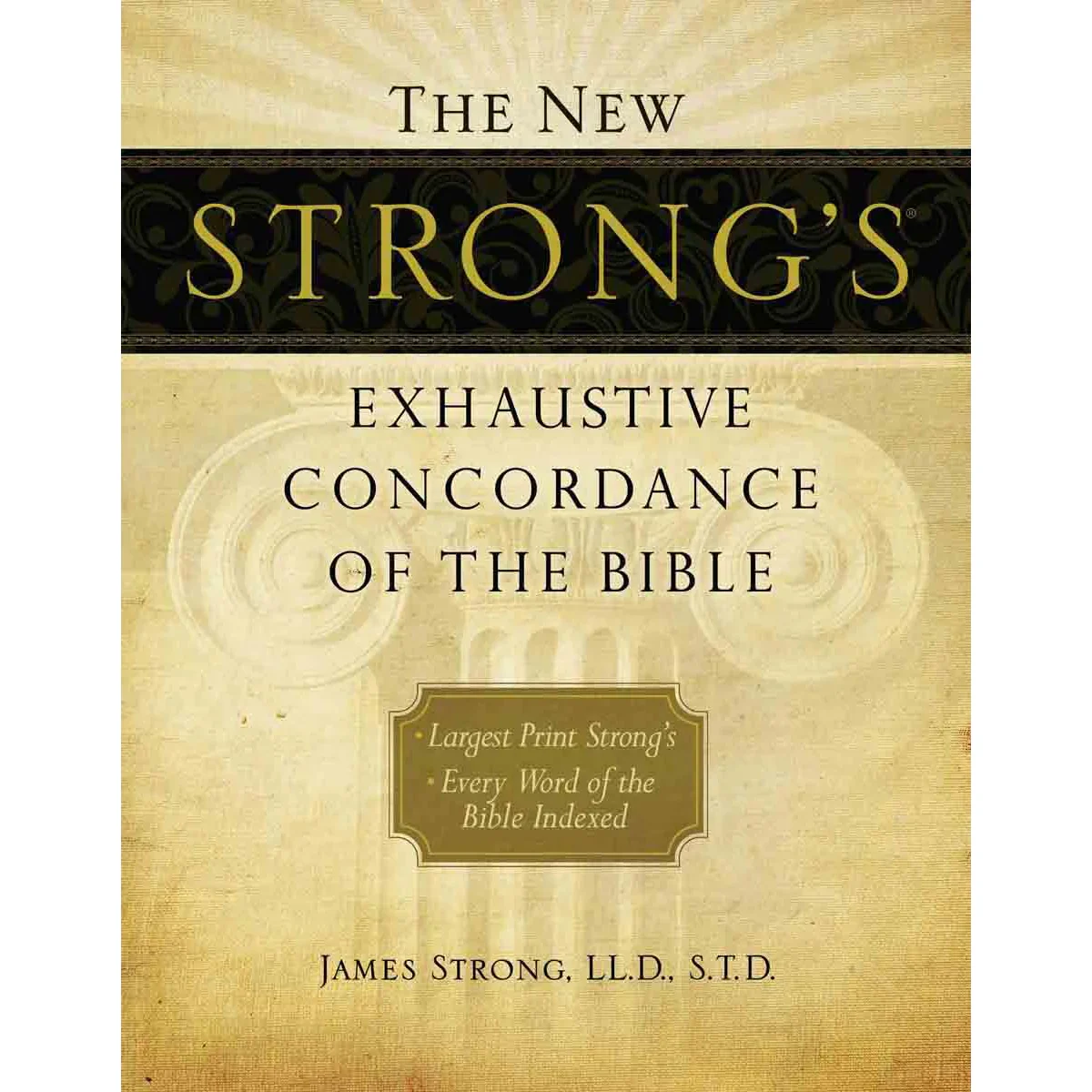
Strong’s Exhaustive Concordance: ἤ is defined as a disjunctive particle, providing alternatives or expressing a preference (“than”). It appears frequently in the New Testament, indicating the broad range of applications in connecting clauses and ideas.
Related Scripture References
- Matthew 5:36: “Nor shall you make an oath by your head, for you cannot make one hair white or [ἤ] black.”
- John 14:6: “I am the way, the truth, and the life; no one comes to the Father but [ἤ] through Me.”
- 1 Corinthians 3:5: “What then is Apollos? And what [ἤ] is Paul? Servants through whom you believed, even as the Lord gave opportunity to each one.”
Classical Usage
| Author | Name of Work | English Text |
|---|---|---|
| Plato | Republic | “Is it better to be just or [ἤ] unjust?” |
| Herodotus | Histories | “One must choose, to live in peace or [ἤ] to die in glory.” |
| Aristotle | Nicomachean Ethics | “Happiness is the greatest good; it is sought for its own sake rather than [ἤ] for the sake of something else.” |
| Septuagint | Deuteronomy 30:15 | “See, I have set before you today life and good, or [ἤ] death and evil.” |
| Septuagint | Isaiah 45:9 | “Woe to him who strives with his Maker! A potsherd among the potsherds of the earth! Shall the clay say to him who forms it, ‘What are you making?’ or [ἤ] ‘Your work has no handles?’” |
| Septuagint | Psalm 118:8 | “It is better to take refuge in the Lord than [ἤ] to trust in man.” |
Summary of ἤ (G2228: ē)
The Greek word ἤ (ē) is a vital conjunction in Biblical Greek, commonly translated as “or” or “than.” It serves to present alternatives or comparisons within sentences, making it indispensable for understanding choices, contrasts, and rhetorical questions in the New Testament. Its usage ranges from simple choices (“or”) to complex comparisons (“than”) in both Biblical and classical texts, underscoring its flexibility and importance in ancient Greek language and thought. Recognizing the function of ἤ helps in interpreting the flow of ideas in Biblical passages and provides insight into the linguistic style of ancient Greek literature.
Did You Know?
- ἤ is one of the most frequently used conjunctions in the New Testament, appearing over 300 times!
- In ancient Greek rhetoric, the use of ἤ often indicated a choice that required careful consideration, showing its importance in philosophical debates.
- The distinction between ἤ and other conjunctions like καί (kai) or ἀλλά (alla) is crucial for interpreting the subtleties of Biblical Greek, especially in passages dealing with moral choices or theological comparisons.
Note: While this entry strives for accuracy, readers engaged in critical research should verify citations and keyword occurrences in their Bible translation of choice. For Biblical citations, the F.O.G Bible project recommends Logos Bible software.
Strong's g2228
Add Comment