ἐπιτίθημι
to impose (in a friendly or hostile sense)
Everything you need to know.
of Completion
This certifies that
Is on track to complete the Bible for the 1st time in 240 days.
Paul's Handkerchief is Bible study with a difference — going word-by-word through Scripture to reclaim the Ancient Near East context, romance, and mystery that modern translations often leave behind.
Only about 3% of people around the world who start the Bible ever finish it. The 3% Club is for those ready to break that cycle — reading the entire Bible at their own pace, backed by community and tools built to make finishing not just possible, but inevitable. You also get a certificate to celebrate your achievement.
Bible Cafe isn't just Bible study — it's a personal, intimate conversation with Him. Think less classroom, more kitchen table. It combines the original Coffee with Jesus experience with activities like quizzes, crosswords, journaling and more, all designed to let the Word shape your heart, not just your head.
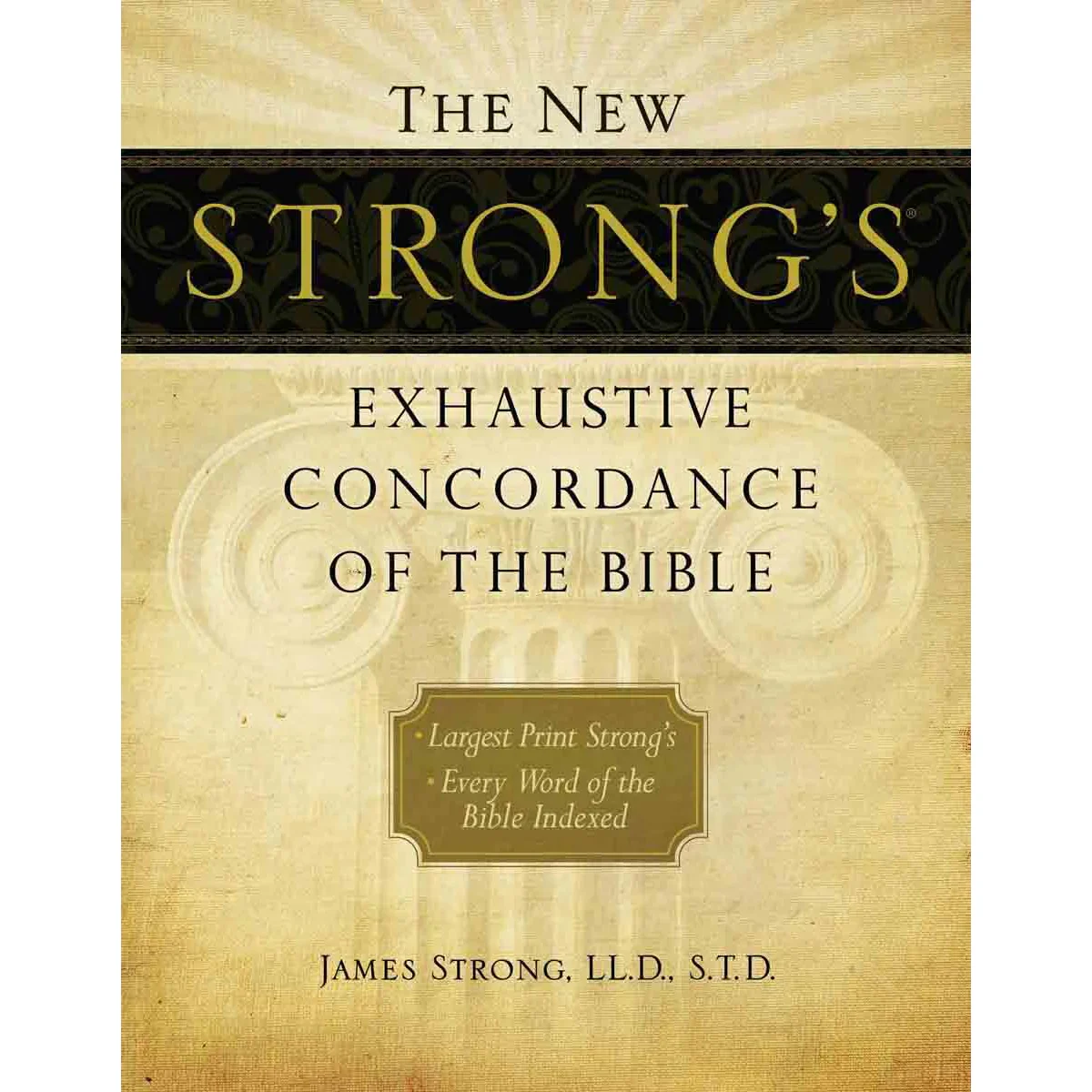
Most English Bibles can't carry the full weight of what's in the original Hebrew and Greek. The F.O.G Bible Project exists to change that — three new translations built publicly (a Study Bible, a Reader's Bible, and F.O.G Jr. for younger readers), plus a word-by-word renewal of Strong's Concordance restoring the depths most translations leave behind. It is Jean Paul's lifelong work, unfolding in public — and you're invited in.
Jean Paul Joseph is the lead editor of the F.O.G Bible Project. He works from a personal encounter with Jesus first, then draws on the scholarship of respected Jewish and Christian scholars — because the church was Jewish before it was anything else, and those roots change everything about how you read Scripture.
Simply create an account and choose your preferred Bible and reading style. The app will track your progress and help keep you accountable to the rhythm of daily Scripture engagement.
to impose (in a friendly or hostile sense)
ἐπιτίθημι(epitíthēmi)
Strong’s Definition
to impose (in a friendly or hostile sense)
from G1909 (ἐπί) and G5087 (τίθημι);
“While he spake these things unto them, behold, there came a certain ruler, and worshipped him, saying, My daughter is even now dead: but come and lay thy hand upon her, and she shall live.”
No verses found containing this word study ID.
The Hand That Lays On and Lifts Up
Fifty-four times the Holy Spirit breathes through this verb in the New Testament — epitíthēmi, a word that carries within it the tension of a hand descending. In its first appearance, the action is one of desperate love: the people bring to Yeshua all who were sick, and they beg Him that they might only touch the fringe of His garment. But the verb itself appears first in a moment of healing authority: "And He laid His hands on them there" (Matthew 19:15). The laying on of hands — this is the primal gesture of the verb, the physical bridge between heaven and earth, between the blesser and the blessed. From that first touch, the word carries the weight of divine transaction, whether in kindness or in judgment.
The Grammar of Imposition
When the sages of old considered the act of placing one thing upon another, they saw a mystery of order and authority. The Greek epitíthēmi joins epí ("upon") with títhēmi ("to place, to set"), creating a word that means literally "to set upon." In the classical Greek world, this verb could describe placing a crown upon a head or a burden upon a shoulder — the action itself was morally neutral, waiting for context to give it meaning. But in the Koine of the New Testament, the verb becomes charged with the specific gravity of apostolic mission. The LXX uses epitíthēmi to translate the Hebrew samakh (סמך), the verb of laying hands upon the head of the sacrifice in Leviticus 1:4, where the offerer transfers identity and guilt to the innocent victim. This is no mere physical gesture — it is a confession made flesh. The hand that descends carries with it the weight of substitution, the burden of sin passing from man to beast, and ultimately from humanity to Messiah.
The Healer's Touch and the Apostle's Charge
The Gospel writers use epitíthēmi most often in scenes of healing. In Mark 6:5, Yeshua could do no mighty work in Nazareth except that He laid His hands on a few sick people and healed them. Here the verb carries the tenderness of the Creator touching His creation — not from a distance, but skin to skin, breath to breath. Yet the same verb appears in the book of Acts when the apostles lay hands on the seven chosen to serve tables (Acts 6:6). The gesture of healing becomes the gesture of commissioning. The early church understood that the hand laid upon the sick and the hand laid upon the servant both carried the same power: the authority of Messiah flowing through His people. The apostle Paul uses the verb in the context of ordination: "Do not neglect the gift that is in you, which was given to you by prophecy with the laying on of the hands of the elders" (1 Timothy 4:14). Here the action is not merely symbolic — it is a conduit of grace, a channel through which the Holy Spirit confers holy purpose.
The Two Edges of the Same Hand
The Strong's definition reveals that epitíthēmi can be used "in a friendly or hostile sense," and the New Testament demonstrates both edges of this blade. The same verb that describes Yeshua laying hands on children in blessing (Mark 10:16) also describes the soldiers placing the crown of thorns upon His head (Matthew 27:29). The same hand that brings healing can also bring wounding. In Luke 23:26, they forced Simon of Cyrene to bear the cross — the verb appears in the passive voice, describing the burden laid upon an unwilling shoulder. Jewish tradition holds that the hand of God is both merciful and just, and this verb captures that paradox. The apostles understood that the laying on of hands was not a casual gesture — it was an act of binding, of transferring authority, of invoking the Name. When Ananias laid his hands on Saul of Tarsus, scales fell from his eyes and he received the Holy Spirit (Acts 9:17). The hand that had persecuted became the hand that received blessing. Every imposition carries within it the possibility of transformation.
Send a Gift
This website is 100% donor-funded. Your generosity allows someone else to access this content for free.
Give a gift of $100 to sponsor a verse or page of your choice.
The LXX Bridge: From Sacrifice to Service
To understand the depth of epitíthēmi, one must walk through the Septuagint, where this Greek verb translates the Hebrew samakh — the laying on of hands upon the sacrificial animal. In Leviticus 1:4, the worshiper lays his hand upon the burnt offering, and it is accepted for him to make atonement. The Hebrew samakh carries the sense of leaning upon, pressing down, transferring weight. When the LXX translators chose epitíthēmi, they preserved this physical intensity. But a second Hebrew word also lies beneath this Greek verb: sim (שׂים), meaning "to set, to place, to appoint." In Numbers 27:18, the Lord tells Moses to lay his hand upon Joshua, commissioning him as successor. Here epitíthēmi captures not the transfer of guilt but the transfer of authority. The apostolic writers inherited this double meaning: when they laid hands on the sick, they invoked the sacrificial transfer of healing; when they laid hands on the appointed, they invoked the transfer of holy office. The bridge between these two Hebrew concepts becomes one Greek verb, and in that union, the church discovered that all laying on of hands is both a sacrifice and a sending.
The Apostolic Hand and the Early Church
The apostle Paul uses epitíthēmi more than any other New Testament writer, and his usage reveals the theological weight of the gesture. In 2 Corinthians 11:20, he warns against those who would "put a yoke upon" the believers — here the verb carries the hostile sense of imposition, the weight of false teaching. But in 1 Timothy 5:22, Paul commands: "Do not lay hands on anyone hastily." The early church took this instruction with solemn seriousness. Clement of Rome, writing to the Corinthians in the first century, describes the apostles appointing their first converts as bishops and deacons with prayer and the laying on of hands. The gesture was not a ritual formality — it was the continuation of the gesture Yeshua had used when He blessed the children, when He healed the sick, when He commissioned the twelve. The fathers of the faith observed that epitíthēmi required discernment, because the hand that blesses without wisdom can also wound without knowing. Every imposition carries responsibility.
The Messianic Hand That Bears All Things
The deepest revelation of epitíthēmi appears not in the hands of apostles but in the hands of Messiah Himself. In Isaiah 53:6, the Hebrew text declares that the Lord has "laid on Him the iniquity of us all" — the LXX translates this with epitíthēmi in its most weighty sense. The Father laid upon the Son the full burden of human rebellion. Yeshua did not merely heal the sick or bless the children — He became the place where the hand of divine judgment descended. In John 19:2, the soldiers placed a crown of thorns upon His head, using this same verb. The mockery of men became the symbol of His kingship. And on the cross, when He cried out, "It is finished," the imposition was complete. The hand that had blessed, healed, and commissioned now received the full weight of the world's sin. The apostolic tradition teaches that in this moment, epitíthēmi reached its final meaning: the hand of God laid upon the Son of God so that the hand of God might never be laid upon you in judgment.
Your Hand, Extended
Now the verb passes to you. You have received the laying on of hands — perhaps in baptism, perhaps in prayer, perhaps in the quiet moment when a believing friend touched your shoulder and spoke the Name over your life. But the question is not merely what you have received. The question is what you will impose. Will your hands bring healing or wounding? Will you lay hands on the broken with the tenderness of Yeshua, or will you burden them with the weight of law? The ancient sages taught that the hands reveal the heart, for what the heart intends, the hands perform. You are called to be a conduit of blessing, not a source of crushing weight. Go now, and let your hands be the hands of Messiah — imposing grace, laying on peace, setting upon the weary the gentle yoke of the One who said, "My burden is light" (Matthew 11:30). For the hand that has been blessed is the hand that must now bless.