ἐλεύθερος
unrestrained (to go at pleasure), i.e. (as a citizen) not a slave (whether freeborn or manumitted), or (genitive case) exempt (from obligation or liability)
Everything you need to know.
of Completion
This certifies that
Is on track to complete the Bible for the 1st time in 240 days.
Paul's Handkerchief is Bible study with a difference — going word-by-word through Scripture to reclaim the Ancient Near East context, romance, and mystery that modern translations often leave behind.
Only about 3% of people around the world who start the Bible ever finish it. The 3% Club is for those ready to break that cycle — reading the entire Bible at their own pace, backed by community and tools built to make finishing not just possible, but inevitable. You also get a certificate to celebrate your achievement.
Bible Cafe isn't just Bible study — it's a personal, intimate conversation with Him. Think less classroom, more kitchen table. It combines the original Coffee with Jesus experience with activities like quizzes, crosswords, journaling and more, all designed to let the Word shape your heart, not just your head.
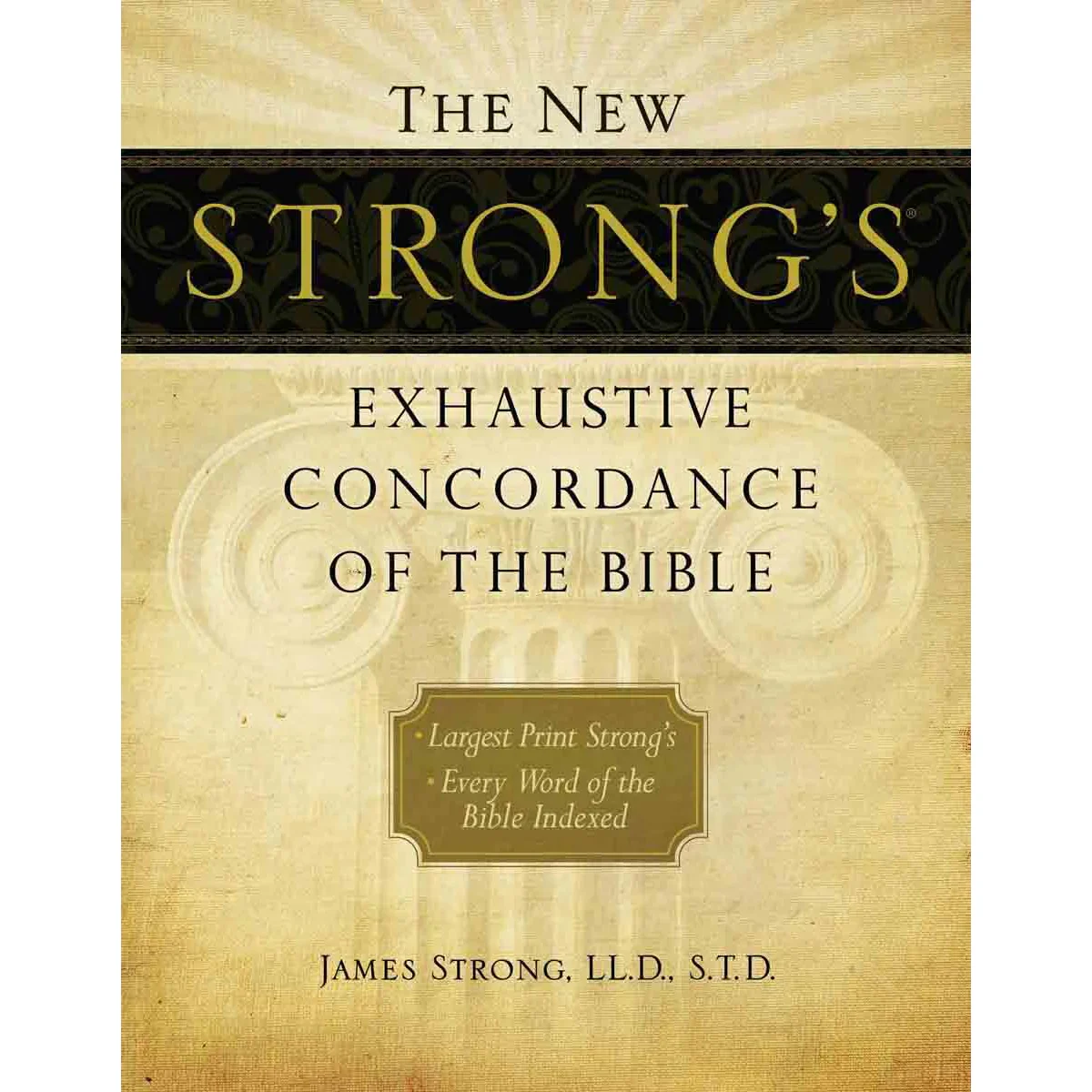
Most English Bibles can't carry the full weight of what's in the original Hebrew and Greek. The F.O.G Bible Project exists to change that — three new translations built publicly (a Study Bible, a Reader's Bible, and F.O.G Jr. for younger readers), plus a word-by-word renewal of Strong's Concordance restoring the depths most translations leave behind. It is Jean Paul's lifelong work, unfolding in public — and you're invited in.
Jean Paul Joseph is the lead editor of the F.O.G Bible Project. He works from a personal encounter with Jesus first, then draws on the scholarship of respected Jewish and Christian scholars — because the church was Jewish before it was anything else, and those roots change everything about how you read Scripture.
Simply create an account and choose your preferred Bible and reading style. The app will track your progress and help keep you accountable to the rhythm of daily Scripture engagement.
unrestrained (to go at pleasure), i.e. (as a citizen) not a slave (whether freeborn or manumitted), or (genitive case) exempt (from obligation or liability)
ἐλεύθερος(eleútheros)
Strong’s Definition
unrestrained (to go at pleasure), i.e. (as a citizen) not a slave (whether freeborn or manumitted), or (genitive case) exempt (from obligation or liability)
probably from the alternate of G2064 (ἔρχομαι);
“Peter saith unto him, Of strangers. Jesus saith unto him, Then are the children free.”
No verses found containing this word study ID.
The Root That Remembers Freedom
Twenty-three times the Holy Spirit breathes this word through the apostolic writings, and each utterance carries the echo of a world being remade. The Greek tongue calls it eleútheros, and its roots run deep into the ancient earth of human longing. The sages of old observed that this word is kin to the verb "to come" — to be free is to be unrestrained in one's coming and going, to move as the spirit wills rather than as the chain permits. When you hear this word in the Scriptures, you are hearing not merely a political condition but the very breath of the Creator who said, "Let My people go, that they may serve Me" (Exodus 7:16). Freedom, in the biblical sense, is never about doing whatever you wish — it is about being released into the service of the One who truly owns you.
The Chain That Held the World
In the days when the apostles wrote, the Roman world divided humanity into two camps: the free and the enslaved. The classical Greek philosophers spoke of eleútheros as the privilege of the citizen, the one who governed himself and therefore could govern others. But the Holy Spirit took this word and plunged it into the Jordan of a new creation. When the Septuagint translators rendered the Hebrew Scriptures into Greek, they chose eleútheros to speak of the Year of Jubilee — that great release when every slave returned to his family and every debt was cancelled (Leviticus 25:10). The word carried the scent of shofar blasts and the sound of chains falling to dust. The rabbis of old taught that the word "freedom" on the jubilee coin meant liberation from the tyranny of time itself, a foretaste of the world to come.
The Apostle Who Knew Both Chains
It is the Apostle Paul who takes this word and bends it toward the heavens. More than any other New Testament writer, Paul uses eleútheros to describe the condition of the believer in Messiah. He writes to the Galatians with fire in his pen: "For freedom Christ has set us free; stand firm therefore, and do not submit again to a yoke of slavery" (Galatians 5:1). But mark this well — Paul himself knew the weight of Roman chains, the cold iron against his wrists in Philippi and Caesarea. He understood that outward freedom and inward freedom are not the same thing. The apostolic tradition teaches that a man can walk free through the streets of Rome while his soul rattles with invisible shackles, and another can sit in a dungeon while his spirit dances before the throne of the Lamb. The word eleútheros in Paul's letters always points beyond the politics of earth to the reality of heaven.
The Hebrew Word That Cried Out for Fulfillment
When the Septuagint translators met the Hebrew word chofshi — the freedom of the slave who chooses not to leave his master — they often rendered it with eleútheros. But the deeper resonance comes from the word deror, which appears in the jubilee proclamation: "Proclaim liberty throughout all the land to all its inhabitants" (Leviticus 25:10). The rabbis of old noted that deror is related to the word for "dwelling" — true freedom is not wandering without root, but dwelling securely in the place where you belong. This is the freedom that the Greek word eleútheros carries into the New Testament: not the freedom of the runaway, but the freedom of the son who has come home. The early church understood that every pagan philosophy offered freedom from restraint, but only the Gospel offered freedom into the household of God.
Send a Gift
This website is 100% donor-funded. Your generosity allows someone else to access this content for free.
Give a gift of $100 to sponsor a verse or page of your choice.
The Sword That Divides Soul and Spirit
There is a mystery hidden in this word that the philosophers of Athens could never grasp. The classical Greeks believed that freedom meant autonomy — the power to be your own law. But the apostolic writers took the word eleútheros and married it to doulos, the word for slave. Paul calls himself a "slave of Jesus Christ" (Romans 1:1) even as he proclaims freedom to the captives. This is no contradiction; it is the deepest paradox of the Kingdom. The fathers of the faith observed that a man is free only when he belongs to the right Master. Yeshua Himself said, "Everyone who commits sin is a slave to sin... if the Son sets you free, you will be free indeed" (John 8:34-36). The word eleútheros in the mouth of the Messiah is not a political slogan but a surgical blade — it cuts through the pretense of human autonomy and reveals that every soul serves something. The only question is which chain you wear.
The Bridge Between the Testaments
When the Greek translators of the Septuagint chose eleútheros to render the Hebrew chofshi and deror, they built a bridge that the apostles would cross with boldness. Consider the moment in Exodus 21 when the Hebrew slave who loves his master chooses to remain rather than go free — he is brought to the doorpost, his ear is pierced, and he becomes a eved olam, a slave forever. The Septuagint uses eleútheros to describe the moment of his release, the freedom he refuses. Do you see what this means? The Greek word carries within it the possibility of choosing bondage out of love. This is the freedom that Messiah embodies: He who was eternally free, the Son in the Father's house, chose the chains of flesh, the nails of the cross, the darkness of the tomb — all because He loved His master, His bride, and would not leave. The early church saw in this the very shape of redemption: a voluntary bondage that becomes the truest freedom the world has ever known.
The Free Man Who Wore the Crown of Thorns
Yeshua did not merely teach about eleútheros — He is freedom incarnate. Watch Him in the garden, when the soldiers come with torches and swords. He says to them, "I am He," and they fall backward to the ground (John 18:6). Here is a man who could walk through walls of flesh and bone, who could call ten thousand angels, yet He stands still and stretches out His hands. He is the freest being in the universe, and He surrenders that freedom for you. The apostolic tradition teaches that every other freedom in history has been a shadow of this moment. When Pilate offers to release a prisoner, the crowd chooses Barabbas — a man who fought for political freedom with a sword. But the true eleútheros stands silent before them, wearing a crown not of gold but of thorns. He is the jubilee trumpet sounded in human flesh, the Year of the Lord's favor made visible in blood and sweat and tears.
What It Means to Walk in This Freedom
You have been called to a freedom that the world cannot understand and the principalities cannot steal. When the chains of opinion bind you, when the fear of man wraps around your throat, when the old habits rise up like Pharaoh's chariots — remember that you are eleútheros in the Messiah. The apostle writes, "You were called to freedom, brothers. Only do not use your freedom as an opportunity for the flesh" (Galatians 5:13). Your freedom is not a license to wander; it is a summons to dwell. The Son has set you free, and that freedom is a door — a door through which you walk into the household of the Father, where the slaves become sons and the sons become heirs. Let the chains fall. Let the shofar sound in your heart. You are no longer a slave but a child, and if a child, then an heir through God. Go now, and live as one who has been released into the only bondage that is true freedom — the service of the King who loved you enough to wear your chains.